Where Mountains Meet the Sea
At the very edge of the African continent, where mountains tumble into the sea lies the South African city of Cape Town—a kind of place that seduces you slowly: first with its scenery, then with its rhythm, and finally with the way it blends history, nature, and modern urban life.
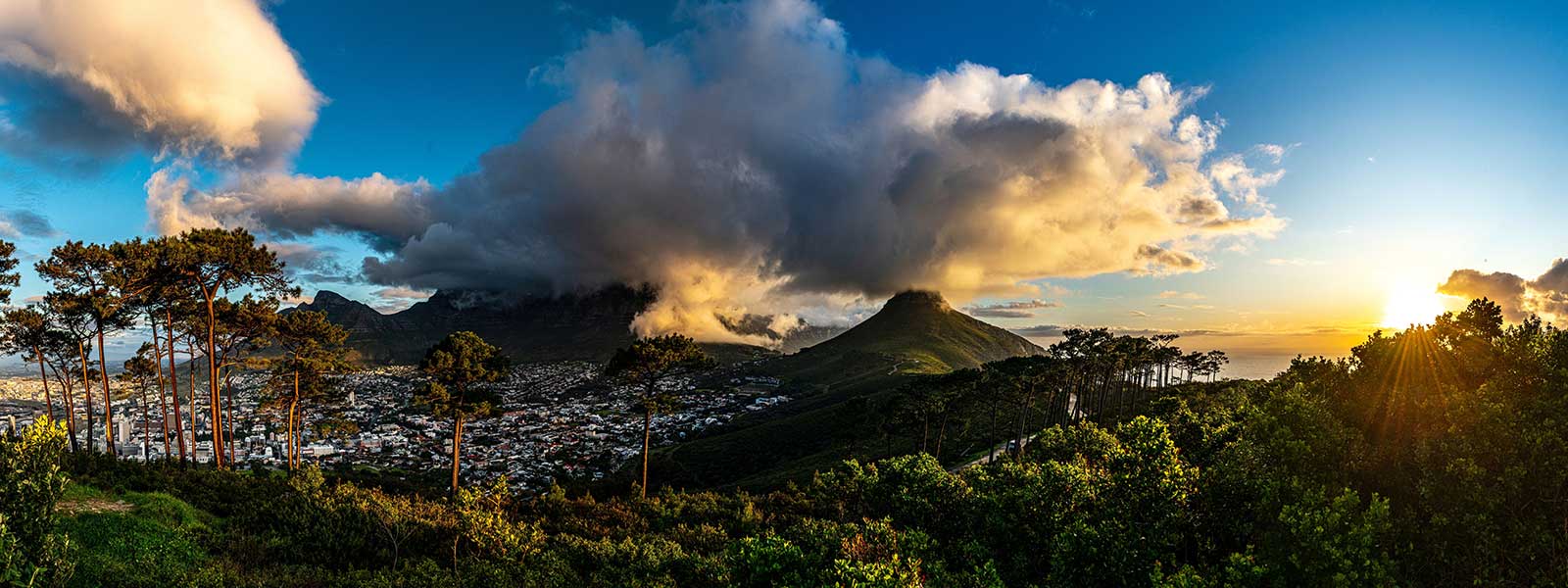
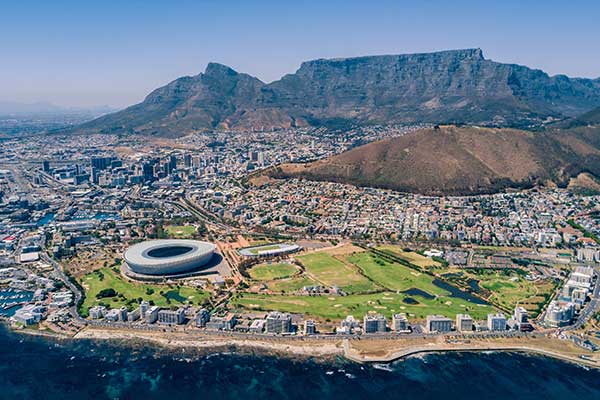
A city that feels less like a destination and more like a mood, your journey here begins with a glance upward—to the immense flat-topped silhouette of Table Mountain. It dominates the city’s skyline so completely that locals simply call it “The Mountain”–as if there is no other worth mentioning.
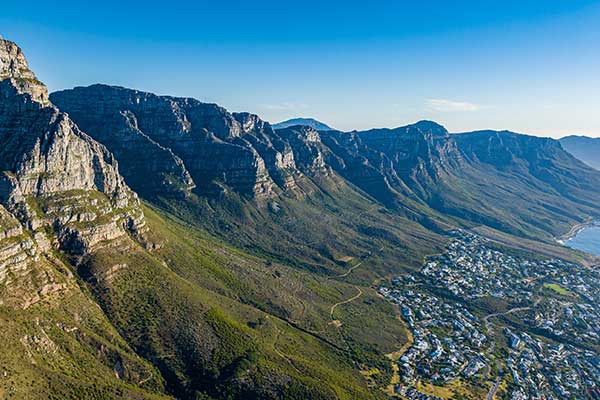
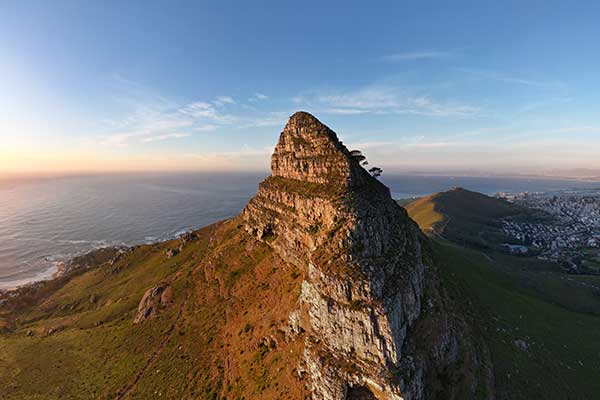
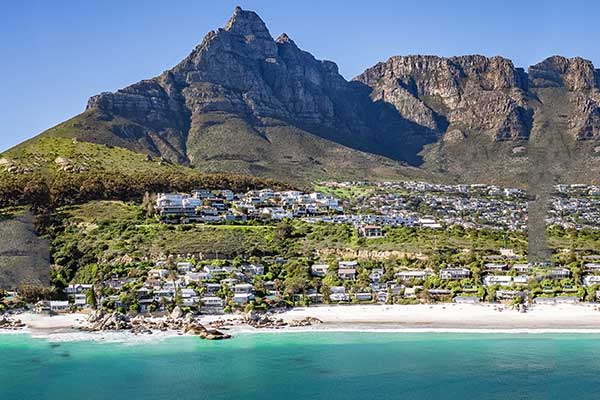
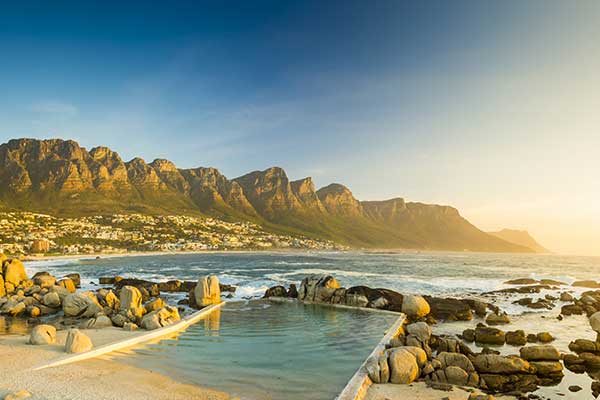
On the Atlantic-facing side, the drama continues along the jagged line of the Twelve Apostles—a chain of rugged peaks that tumble toward the ocean in a series of steep, shadowy ridges. Despite the Biblical name, there are more than twelve summits, their craggy forms glowing gold at sunset and adding another layer of grandeur to Cape Town’s already spectacular natural theatre.
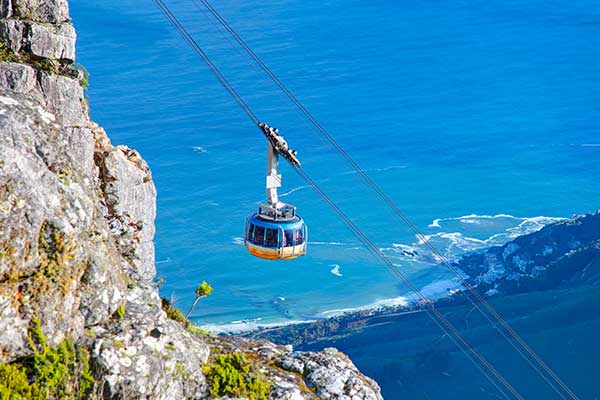
On a clear morning, you can take the rotating cable car to the summit of Table Mountain. The ride is short and breathtaking; but the moment the doors open at the top, the view stretches so dramatically that it feels like stepping into a postcard—the plateau, wide and rugged, scattered with fynbos and wind-shaped rocks, and the city unfurled below in soft blues and whites, with the Atlantic glittering on one side and the mountain range rolling away on the other. In that moment, you understand why Table Mountain is not merely a landmark, but the great natural stage on which Cape Town unfolds.
never in a hurry
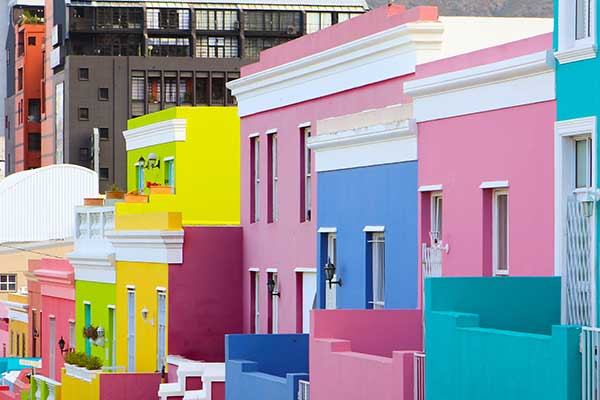
The best way to experience the city is never in a hurry. So, wander slowly through the colourful lanes of Bo-Kaap, where houses painted in vivid pinks, yellows, and blues climb the hillside like a box of spilled crayons, and its kitchens, with deep cultural roots tied to the Cape Malay community, turn your casual stroll into a sensory journey of spices.
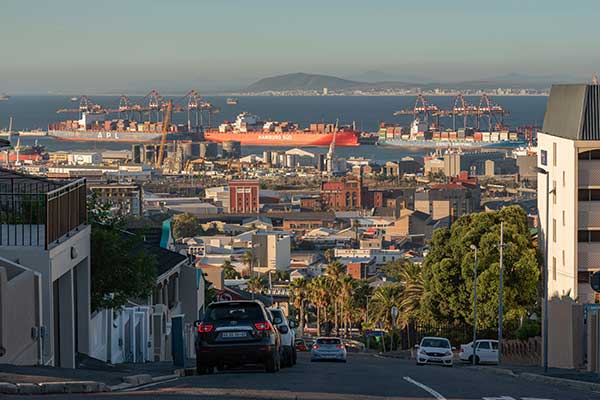
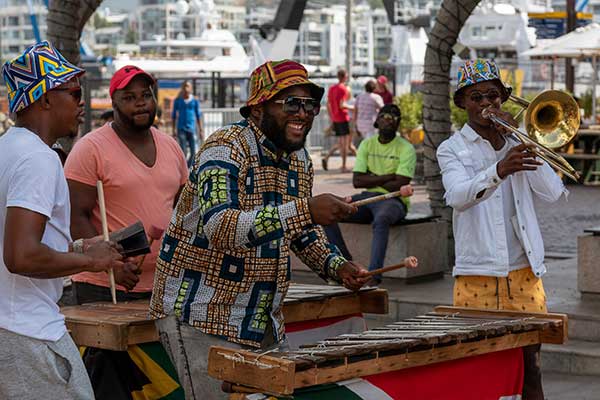
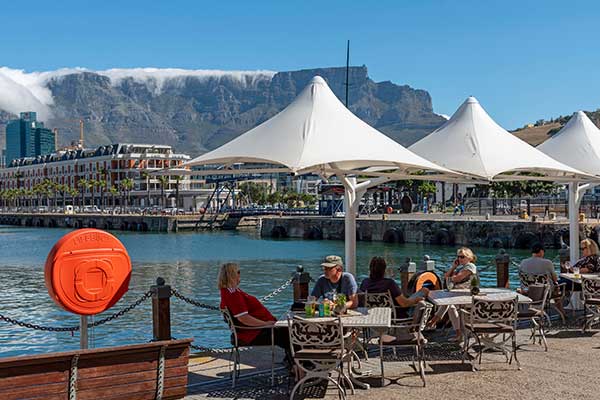
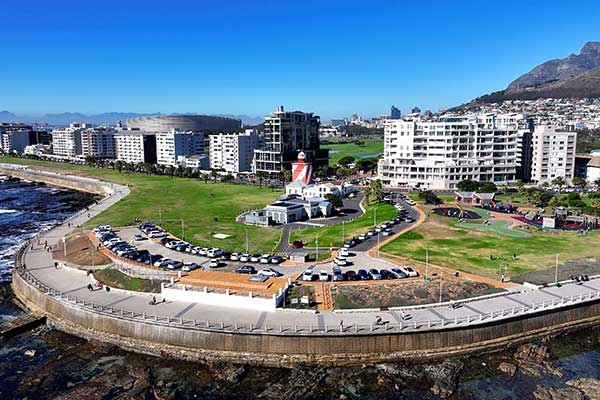
From here it is easy to drift towards the sea. At the city’s beloved Sea Point Promenade—a long, breezy stretch of pavement hugging the Atlantic, you witness a city most at ease with itself—joggers, cyclists, the elderly, all living their quotidian lives as the ocean flashes silver beside them. A few minutes away, in the lively district of the Victoria & Alfred Waterfront, the atmosphere is more touristy, a buzzing promenade of restaurants, music, craft markets, street performers, and ferries bobbing gently in the marina. Here, a simple coffee break feels cinematic and the place is the sort where you think you will stay only for an hour but end up lingering all evening.
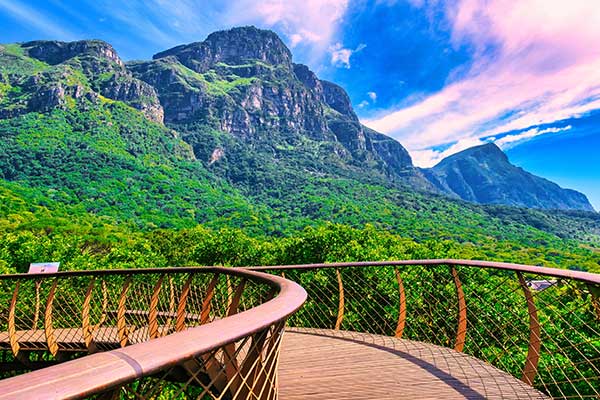
Yet some of Cape Town’s most interesting corners lie a little off the obvious path. In Woodstock, once an industrial district, old warehouses now house art studios, galleries, and edgy cafés—the neighbourhood one of the city’s most creative quarters today. For a gentler pause, escape to the lush green slopes of Kirstenbosch National Botanical Garden. Set against the eastern flank of Table Mountain, the gardens feel almost dreamlike—wide lawns, shaded paths, and a remarkable collection of indigenous plants from across South Africa. Walk along the tree-canopy walkway known as the Boomslang and see the mountain rise above you in silent grandeur, reminding you again how intimately nature and city coexist here.
the real magic
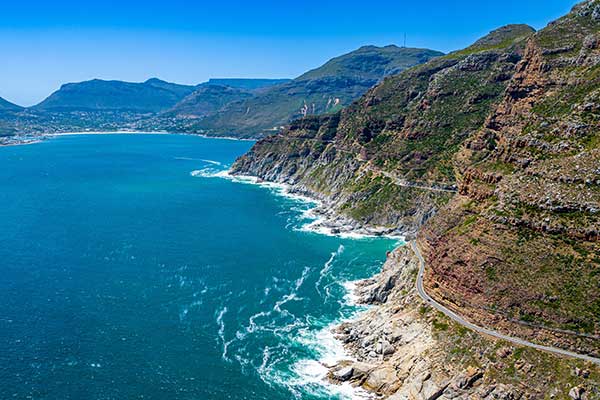
The real magic of Cape Town, however, unfolds when you follow the coastline into some of its suburbs. The drive along Chapman’s Peak Drive is easily one of the most beautiful road journeys in the world. The road curves dramatically between cliffs and the ocean, each bend revealing a view more spectacular than the last. Pull over at one of the viewpoints and you find the Atlantic spreading out endlessly below—deep blue, restless, and mesmerising.
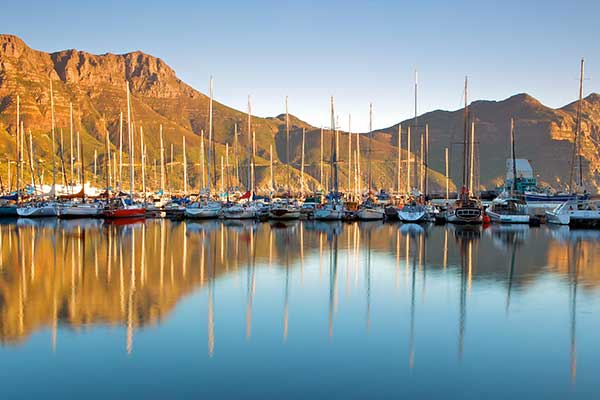
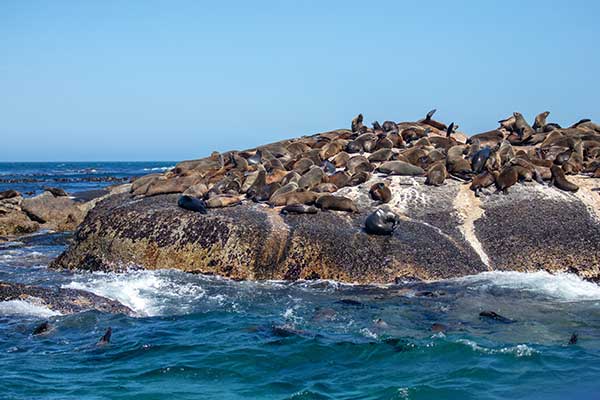
Further along the coast, the charming village of Hout Bay offers a quieter pause—fishermen mending nets along the harbour, seals lazing on the docks, and nearby markets serving fresh seafood. Life feels wonderfully unhurried. From here, take a boat out to Duiker Island—often called Seal Island—where hundreds of Cape fur seals sprawl across rocky outcrops, barking, splashing, and tumbling into the surf.
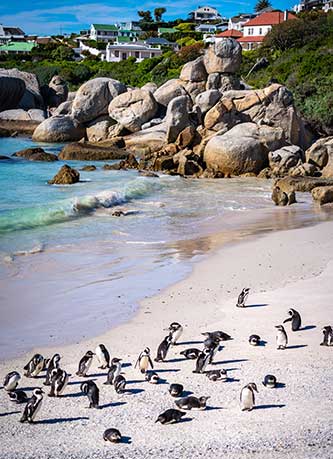
Just beyond the hills, Cape Town’s landscapes have another delightful surprise; at Boulders Beach, watching African penguins waddle across warm granite rocks and dive into the surf feels oddly magical—like stumbling into a wildlife documentary that has suddenly come to life.
bays and beaches
The coastline around Cape Town is a shifting tapestry of bays and beaches, each with its own character yet all bound by the same restless Atlantic light. On the western edge of the city, the elegant curve of Camps Bay draws you with its wide sweep of pale sand and cafés that look out toward the sea. Behind it, the jagged silhouettes of the Twelve Apostles rise dramatically, turning sunset into a daily spectacle of colour.
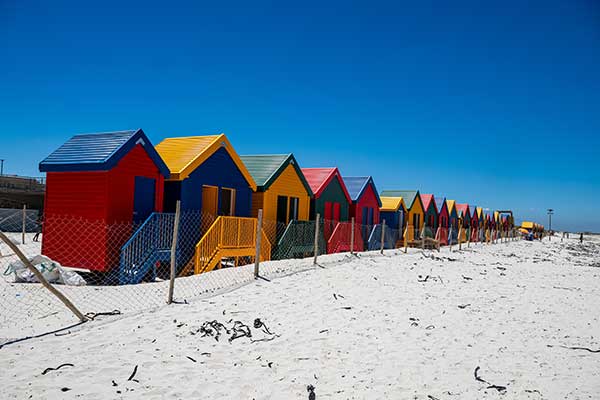
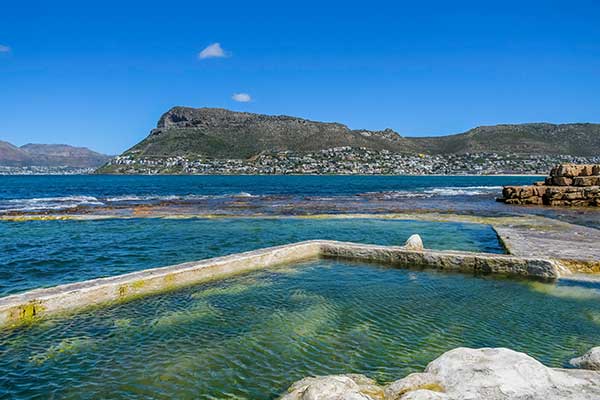
Just beyond lies the sheltered coves of Clifton, where granite boulders cradle four small beaches and the water—icy and impossibly clear—glitter in the afternoon sun. Further along the peninsula, the atmosphere softens. At Muizenberg, the long beach and its row of brightly painted bathing huts evoke a gentler seaside charm. Surfers wait patiently for the next rolling wave while children play at the many tidal pools.
Together, these shores form Cape Town’s outdoor living room—places where it pauses, breathes, and turns instinctively toward the sea.
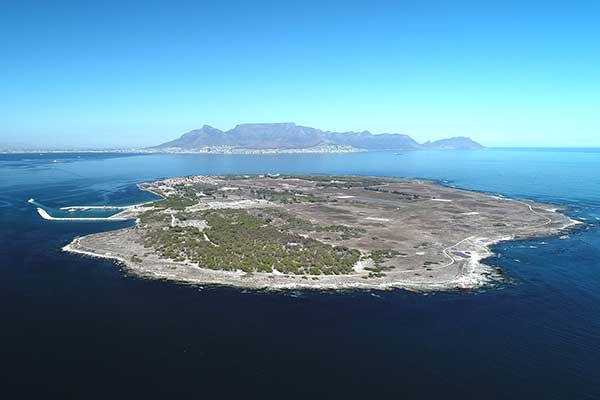
But Cape Town is not only about scenery. Its past is layered with stories, especially Nelson Mandela’s fight to lead South Africa to democracy. Robben Island, where Nelson Mandela spent 18 years of imprisonment, is a short ferry ride from Cape Town waterfront. Guided tours are often led by former political prisoners, their quiet recollections turning the island into a powerful reminder of South Africa’s struggle against apartheid.
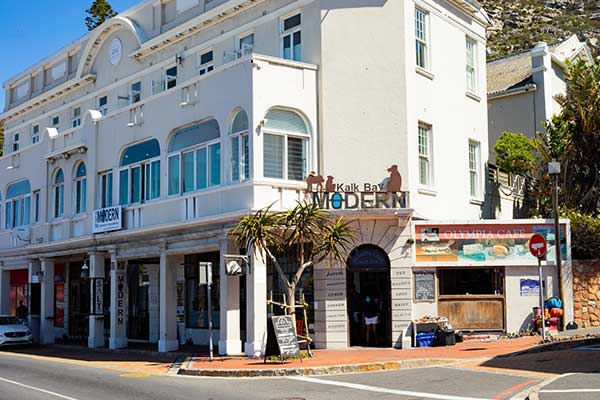
Evenings return you gently to the present. The charming fishing village of Kalk Bay along the coast, lined with antique shops, small galleries, and some of the Cape’s most beloved seaside cafés and restaurants that serve fresh seafood and inventive fusion cuisine. The cafés buzz with travellers trading stories from the day’s adventures and as the sun sets behind the Atlantic, the sky turns apricot and lavender, and the city lights begin to flicker on.
and more…
And yet, even after days spent wandering its streets, mountains, and shores, one senses that Cape Town is only beginning to reveal itself. Beyond the city’s bays and neighbourhoods lie landscapes that have shaped the wider Cape for centuries—the vineyard-draped valleys around Stellenbosch and Franschhoek, the windswept drama of Cape of Good Hope, and farther still, the lonely beauty of Cape Agulhas, where the Atlantic and Indian Oceans meet. These journeys, deserve a slower telling of their own, and in another tale.