
When Passion Meets Portfolio
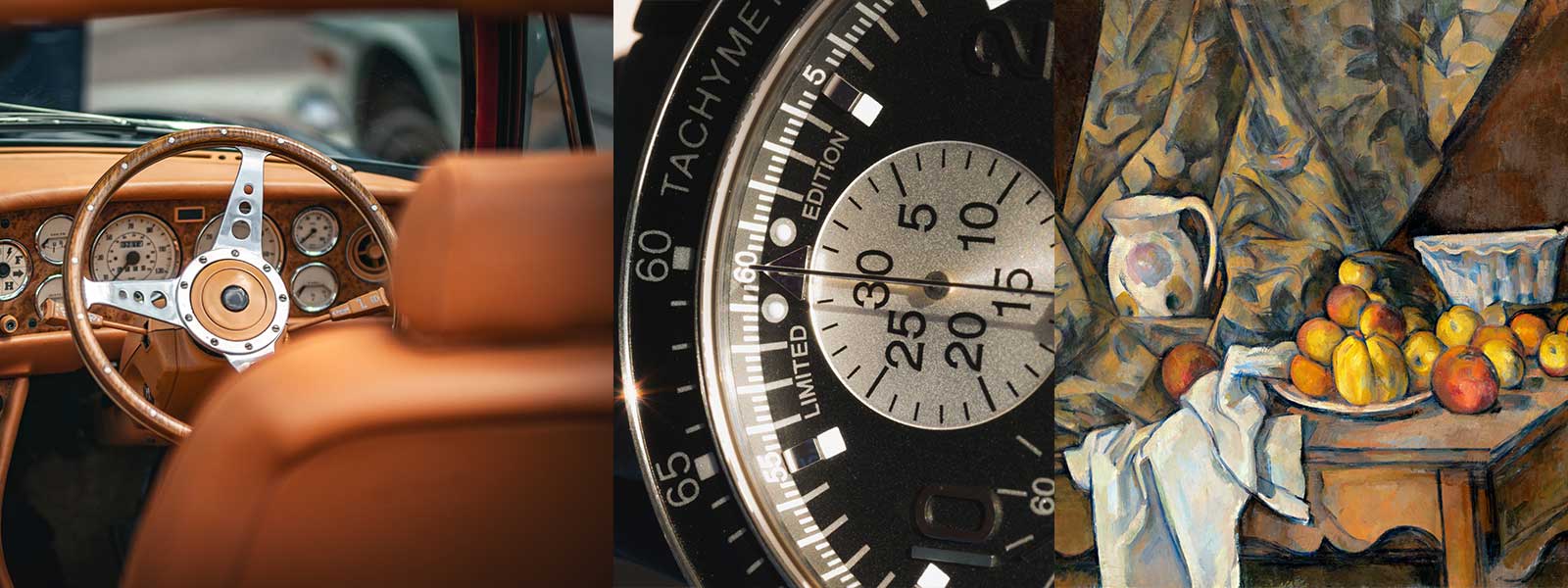
For decades, building wealth followed a fairly predictable path. Most investors relied on a mix of equities for growth, bonds for stability, and real estate for long-term security. These traditional assets still form the backbone of most portfolios today. But increasingly, investors are exploring a broader landscape of opportunities—turning to alternative assets such as art, classic cars, rare watches and private equity.
The goal is not to replace traditional investments. Instead, these assets are being used as complements—ways to diversify wealth and add new dimensions to a portfolio. Financial markets today are deeply interconnected. Stocks, bonds and mutual funds often move in response to the same economic forces—interest rate changes, inflation, or geopolitical uncertainty. When markets become volatile, this interconnectedness can sometimes reduce the benefits of diversification.
Alternative assets behave differently. Their value is often shaped not just by economic cycles but also by factors like rarity, craftsmanship, cultural importance and collector demand. A rare painting, a vintage sports car or a limited-edition mechanical watch, for example, does not fluctuate minute by minute with the stock market. That relative independence can make such assets a useful way to balance a portfolio during uncertain times.

Striking Art
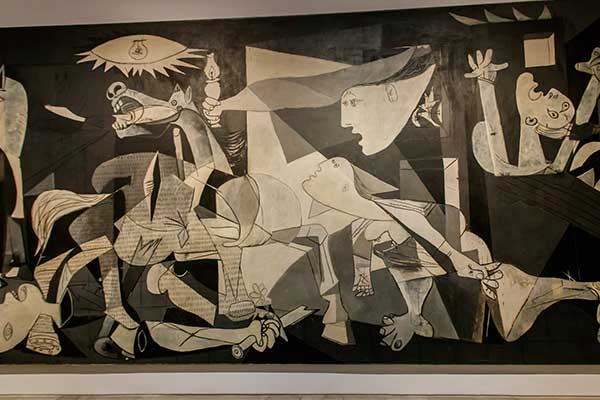
Art has always occupied a unique space between cultural expression and financial investment. Collectors often acquire works primarily because they admire them, but over time many artworks have also proved to be powerful stores of value.
The global art market offers striking examples. Paintings by the old masters such as Pablo Picasso, Paul Gauguin, Paul Cézanne, Claude Monet, Pierre Auguste Renoir, and iconic modern artists have repeatedly set auction records, attracting collectors from across the world. Closer home, works by the pioneering Indian modernist Amrita Sher-Gil have seen dramatic appreciation as global interest in Indian art continues to grow.
Art investment, however, requires patience and knowledge. Authenticity, provenance and proper conservation all play critical roles. For many investors, the greatest advantage is that art offers something beyond financial gain—the pleasure of living with beauty and cultural history.



Classic Cars
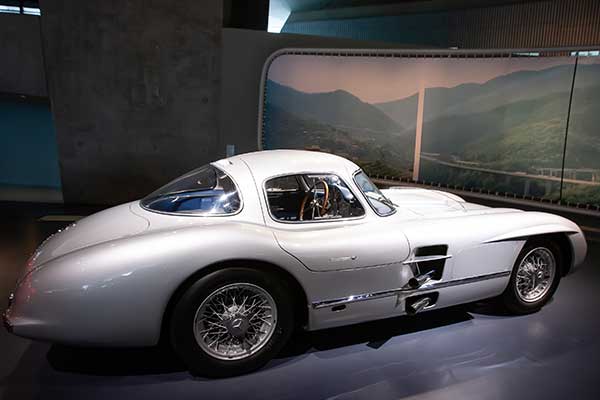
For automobile enthusiasts, classic cars represent more than transportation; they are objects of design, engineering, and nostalgia. Over the past two decades, vintage automobiles have become one of the most fascinating segments of the alternative investment world. Few vehicles illustrate this better than the legendary Ferrari 250 GTO, the Mercedes-Benz 300 SLR, or the Aston Martin DB5. With only a handful produced in the early 1960s, these cars have become one of the most valuable collectibles in the world, selling for tens of millions of dollars at auctions.
Classic cars also carry emotional value. Restoring and preserving a rare vehicle connects collectors with a piece of automotive history. Of course, ownership involves responsibilities such as maintenance, insurance, and careful storage—but for enthusiasts, the experience can be immensely rewarding.


Rare Watches
Luxury mechanical watches have emerged as another intriguing category of collectible assets. Unlike modern digital devices, high-end watches are often painstakingly handcrafted, sometimes in very limited numbers. Manufacturers such as Patek Philippe and Rolex have cultivated legendary reputations for craftsmanship and exclusivity. Certain vintage models from these brands routinely achieve remarkable prices at international auctions.
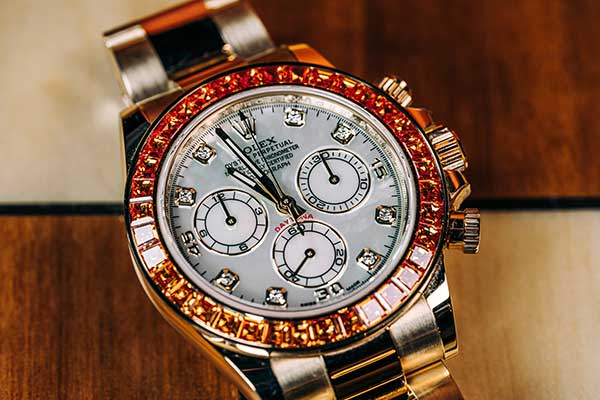
Iconic timepieces like the Rolex Daytona have become highly sought after by collectors. Limited production, historic associations and celebrity ownership have helped turn some of these watches into prized investment pieces.
For collectors, watches offer a rare combination: they are portable, wearable and often capable of retaining or increasing their value over time.



Private Equity
Not all alternative investments are tangible. One of the most significant segments of this asset class is private equity—investments in companies that are not listed on public stock exchanges. Private equity firms typically identify promising businesses, invest capital and expertise to grow them, and eventually sell the company or list it publicly. Because these investments are not traded daily, they are less exposed to the short-term volatility of public markets.
Global investment firms have built vast portfolios by backing companies across sectors ranging from healthcare and infrastructure to technology. For investors with the required capital and patience, private equity can provide attractive long-term returns. However, these investments usually require a longer commitment, with funds often locked in for several years.

Importance of Balance
One of the most appealing aspects of alternative assets is that they often align with personal passions. A painting that enriches a living space, a beautifully engineered watch worn on special occasions, or a classic car lovingly restored—these investments offer experiences that go far beyond financial returns. When chosen thoughtfully, alternative assets can add both resilience and personality to a portfolio.
Despite their growing popularity, though, alternative assets are best viewed as supplements rather than substitutes for traditional investments. They can require specialised expertise, higher entry costs, and longer time horizons. Liquidity can also be limited; selling a rare painting or vintage car may take time. Financial advisers therefore stress the importance of balance.