Summer, Set to Slower Table
Until not many years ago, summer entertaining meant a quick retreat indoors, curtains drawn against the glare, the table laid with elaborate spreads, and a hurry around the table to beat the heat. Today though, a new kind of gathering has evolved—one that slows things down, where the emphasis is on seasonal produce, thoughtful menus, and the pleasure of unhurried conversation. The shift is both aesthetic and philosophical, with gatherings lighter, fresher, and deeply rooted in the rhythms of the season.
market driving the menu
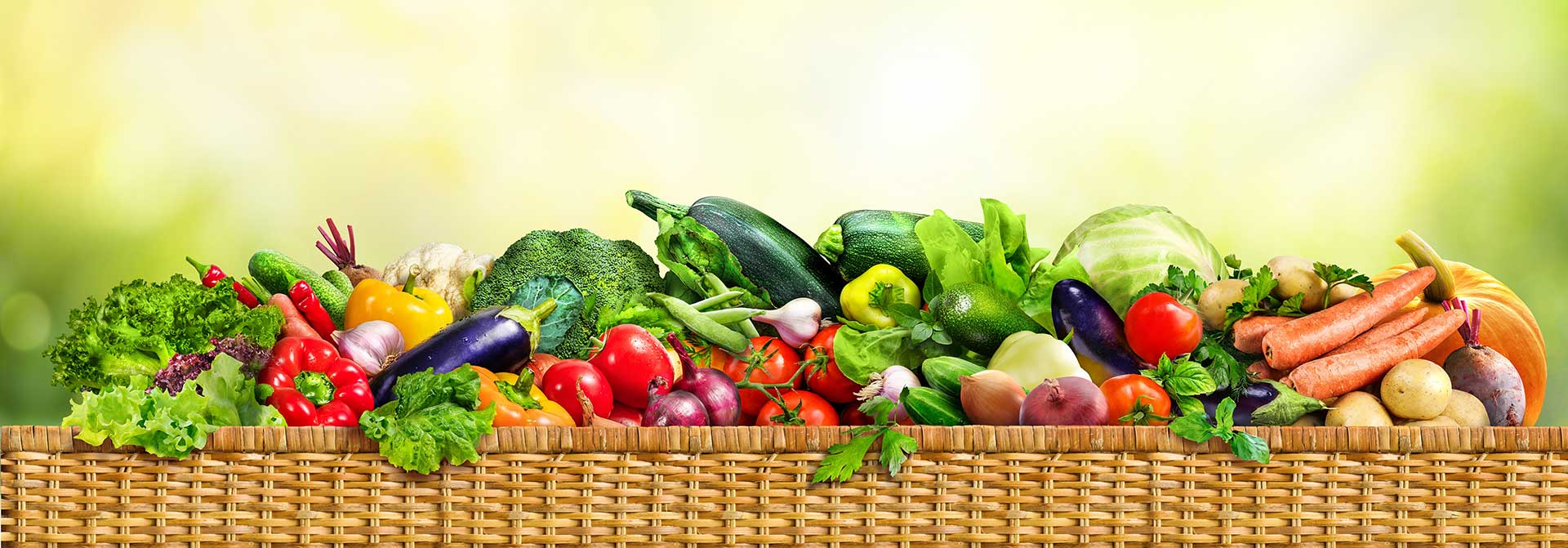
In many homes today, the starting point for a summer lunch or evening get-together is the market rather than a rigid menu plan. Hosts often begin by asking a simple question: what looks best today? Early mornings at farmers’ markets or visits to trusted organic suppliers yield baskets of tender cucumbers, leafy herbs, bottle gourds, baby carrots, and fragrant greens. And, the produce dictates the meal.
This approach mirrors the growing farm-to-table ethos that luxury Indian hospitality is embracing. Resorts and private estates have long had kitchen gardens, but urban hosts are now cultivating similar relationships with growers. Restaurants like Masque or Indian Accent have helped shape this movement by championing hyper-seasonal ingredients in refined ways, and their influence is visible in the way people entertain at home.
light and curated
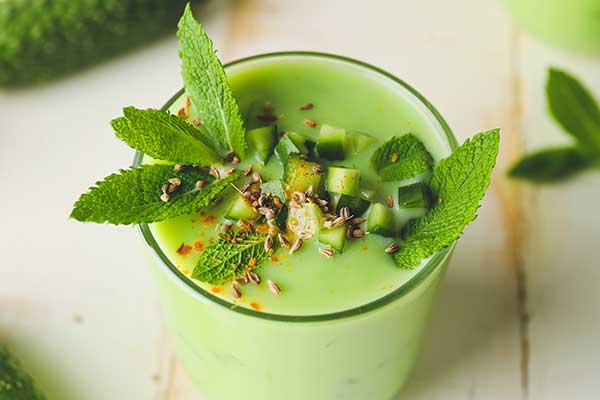
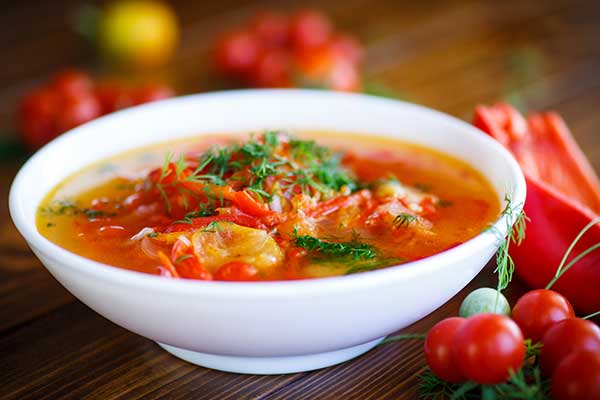
Summer gatherings now often begin with chilled soups—an elegant way to welcome guests while keeping the meal light. A chilled cucumber and mint soup served in delicate glass bowls, a velvety avocado and tender coconut blend, or a chilled roasted tomato gazpacho with a hint of Kashmiri chilli set the tone for the meal. In homes that lean toward regional authenticity, one might encounter ambli saar, served lightly cooled, or a thin kokum broth that refreshes instantly, or gondhoraj ghol, a thin buttermilk cooler.
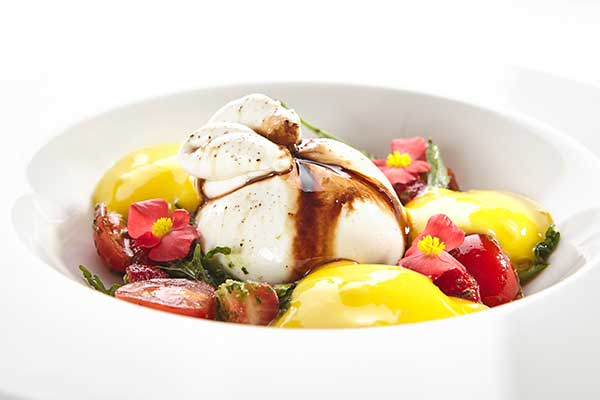
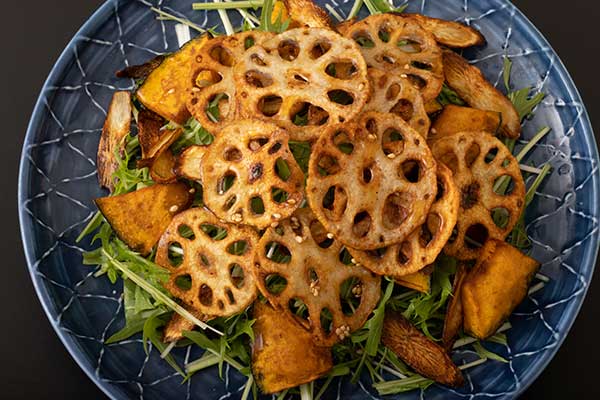
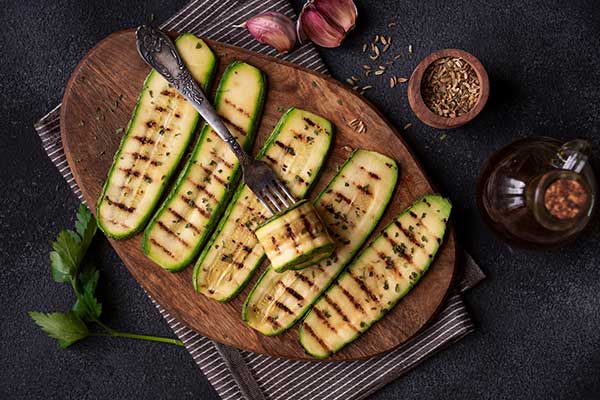
From there, the table often moves to small, seasonal plates designed for grazing and conversation. Tender cucumbers tossed with roasted peanuts and lime, heirloom tomatoes with fresh burrata and basil grown on the balcony, or delicate lotus stem chips dusted with chaat masala offer a balance of textures. Even familiar dishes are interpreted with restraint: a mango and burrata salad, perhaps, or slices of grilled zucchini finished with cold-pressed olive oil and toasted sesame.
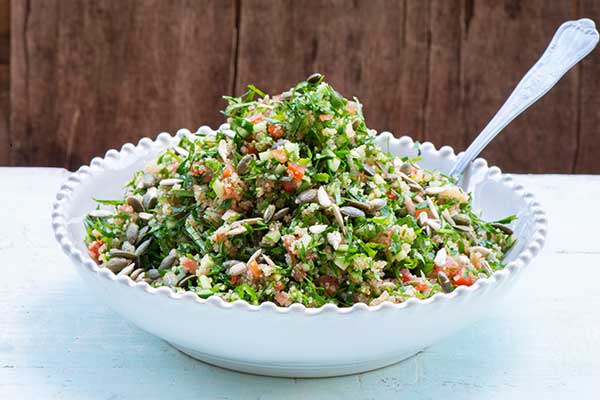
Regional grains have quietly become the centrepiece of many summer menus. Instead of heavy rice preparations or rich breads, hosts are turning to lighter indigenous grains that are both nourishing and beautifully textured. A fluffy bowl of foxtail millet tossed with seasonal vegetables, a delicate amaranth tabbouleh with mint and pomegranate, or a chilled barley salad with cucumbers and herbs can anchor the meal without weighing it down.
all about flavours
No Indian summer gathering, of course, is complete without beverages that soothe and revive. Artisanal drinks have become a defining feature of these menus. Instead of sugary sodas, hosts serve beverages crafted from seasonal ingredients—raw mango panna served in tall glasses with smoked cumin, fragrant vetiver (khus) sherbet, or a chilled kokum and basil cooler.
In more experimental kitchens, hosts offer sparkling drinks infused with jamun, gondhoraj lime, or tender coconut water. Small-batch kombuchas flavoured with hibiscus or lemongrass are also appearing at refined gatherings, often presented in elegant carafes. The idea is refreshment without heaviness.
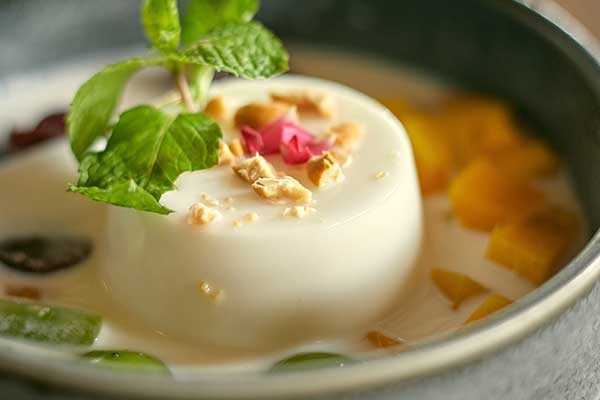
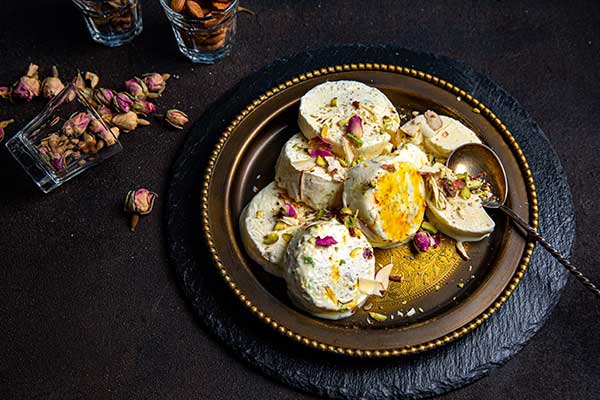
Desserts, too, reflect this gentle restraint. Rather than dense sweets, summer tables lean toward fruit-forward endings: slices of chilled Alphonso mango with a whisper of lime zest, tender coconut panna cotta, or a delicate rose and pistachio kulfi served in miniature portions. Even a simple bowl of perfectly ripened fruit—mangoes, lychees, cherries—can feel luxurious when thoughtfully presented.


at the table
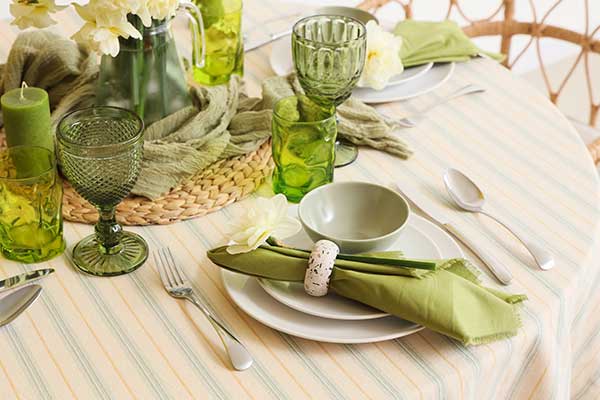
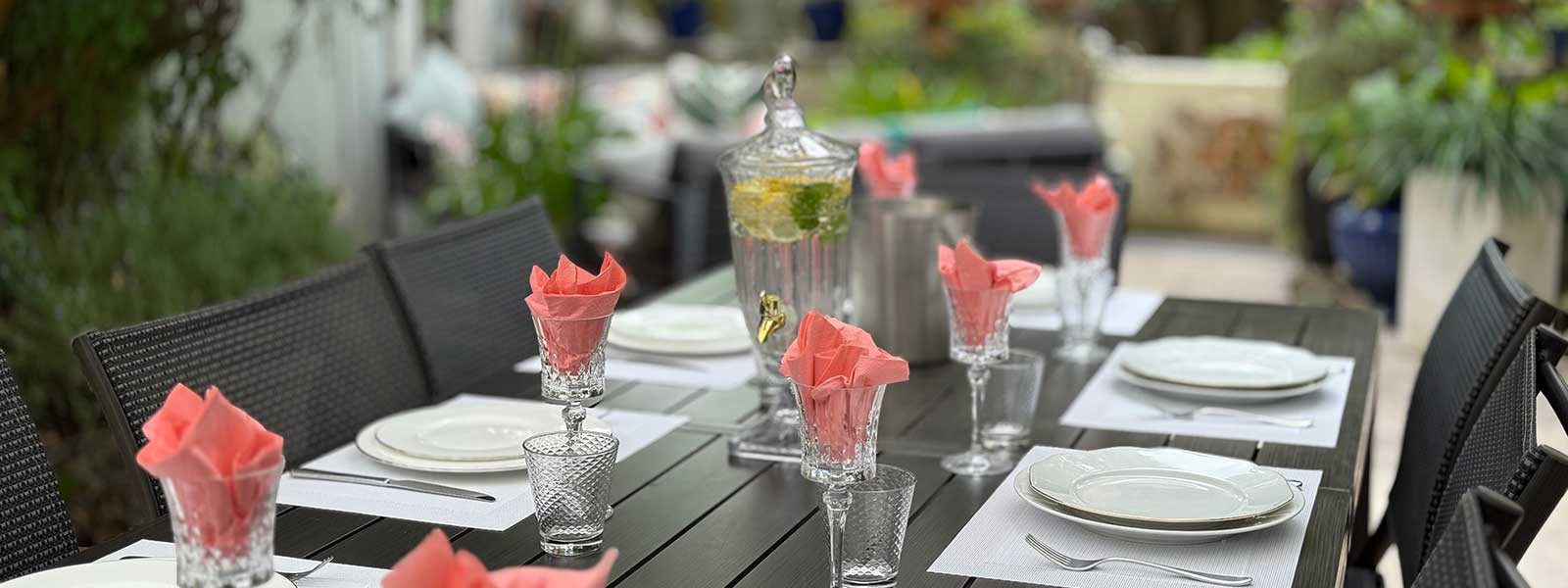
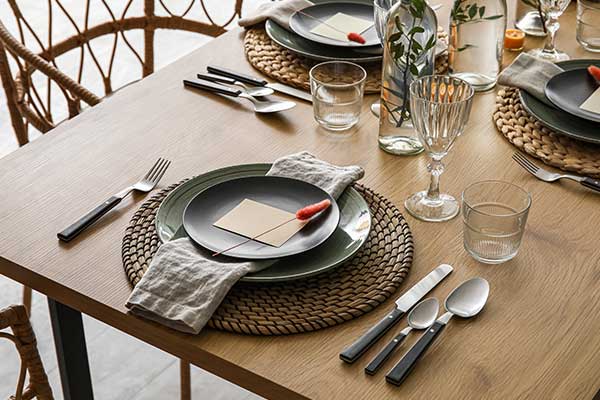
Just as the menu has evolved, so has the aesthetic of the table. The Indian summer table today is rarely ornate. Heavy brocades and elaborate centrepieces have given way to breathable elegance. Fine Indian cotton tablecloths, handwoven linen runners, or textured khadi placemats create a relaxed yet refined atmosphere.
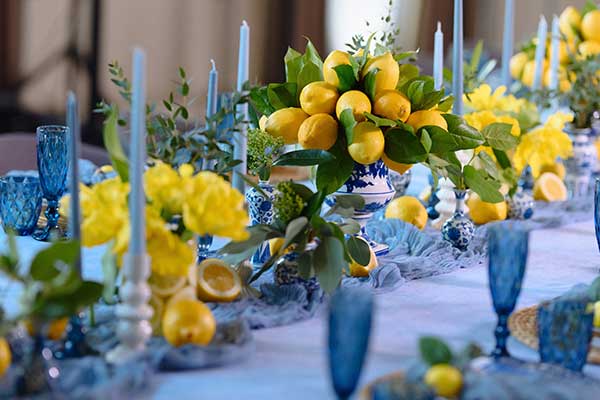
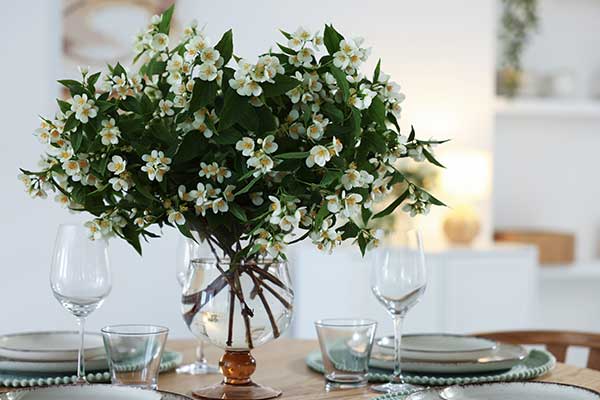
The palette tends to echo the season: pale creams, sun-washed yellows, muted greens. Fresh herbs or small bowls of limes often replace traditional floral arrangements. A cluster of jasmine in a ceramic bowl, or sprigs of tulsi in small glasses, adds fragrance without fuss.

Lighting plays a role as well. Late afternoon gatherings might begin in shaded verandas where the air moves freely, while evening tables glow with soft candles and woven lanterns. The setting encourages guests to linger.
And perhaps that is the true spirit of these gatherings. Without the pressure of elaborate courses or rigid formality, conversations unfold naturally. In a sense, the new summer entertaining reflects a broader shift in Indian luxury. Instead of extravagance, the emphasis is increasingly on authenticity, sustainability, and sensory pleasure. Seasonal ingredients, artisanal beverages, and relaxed tablescapes offer a quiet form of indulgence that feels suited to long, warm evenings.