
Building for Summer
Across much of India, summer has always been more than a season—it is a design problem waiting to be solved. Long before air-conditioners and sealed glass façades became common, homes evolved ingenious ways to stay cool—thick walls, shaded courtyards, perforated screens, and generous verandahs. Today, with rising temperatures architects and homeowners are rediscovering these time-tested strategies and with passive design, local materials and seasonal living are shaping a new generation of homes.
Working with the Sun
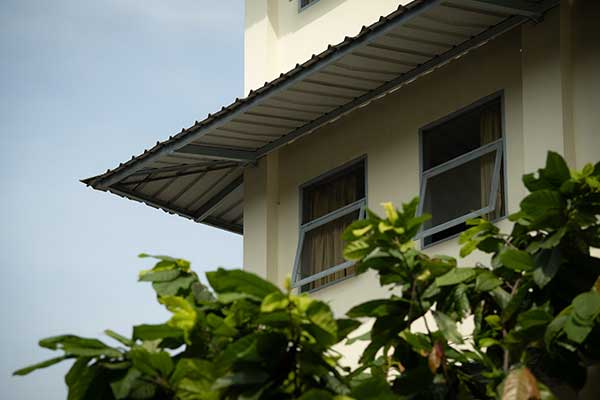
The first step in passive design is simply deciding how a house sits on its site. Studying how the sun travels across the sky before placing rooms, windows, and walls matters enormously in summer. Harsh western sunlight can heat walls for hours, turning them into giant radiators. By minimising openings on the west and opening rooms toward the cooler north or east, homes can stay naturally cooler.
Many houses are also positioned to capture prevailing breezes. Cross-ventilation—windows or doors placed opposite each other—allows hot air to escape and cooler air to move through the house. On a hot afternoon, this constant air movement can reduce the need for mechanical cooling and make interiors far more comfortable.
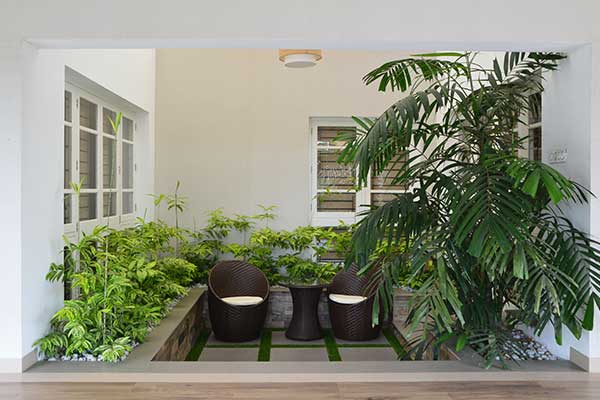
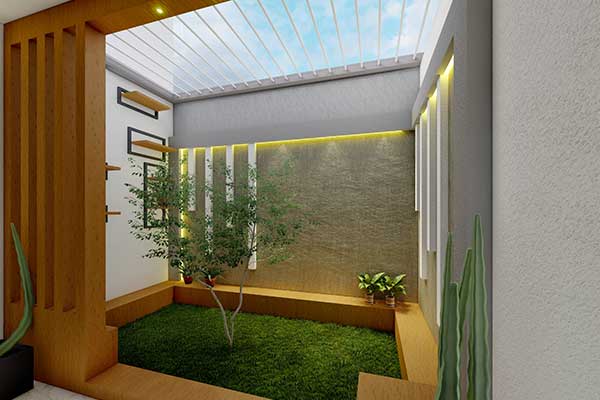
Courtyards for a Microclimate
The courtyard is perhaps the most powerful traditional strategy for beating the summer heat. Found in homes across Rajasthan, Gujarat, Tamil Nadu and Kerala, it acts as a natural climate regulator. During the day, surrounding walls cast shade into the open courtyard, preventing it from overheating. Then, as the evening arrives, the open sky allows accumulated heat to escape upward.
This process creates a gentle circulation of cooler air through the surrounding rooms and the courtyard becomes a natural air-conditioning system with rooms opening into it significantly cooler than those exposed directly to the sun.

Verandahs as Shades
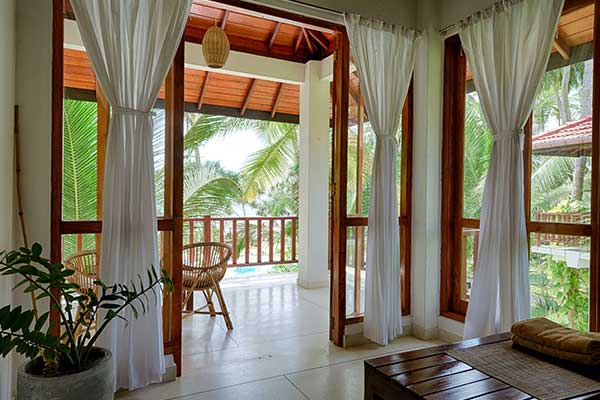
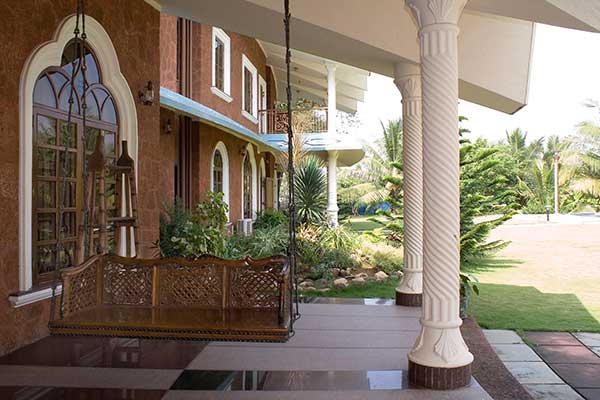
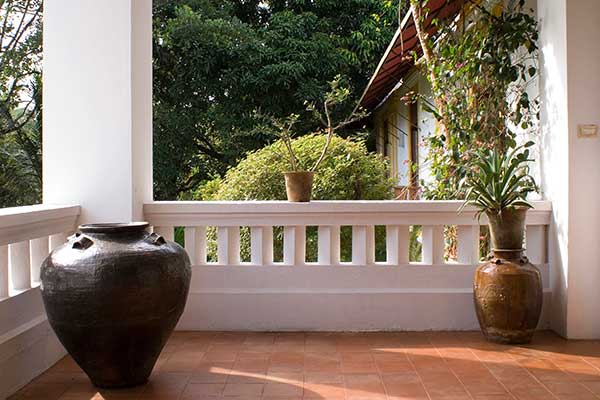
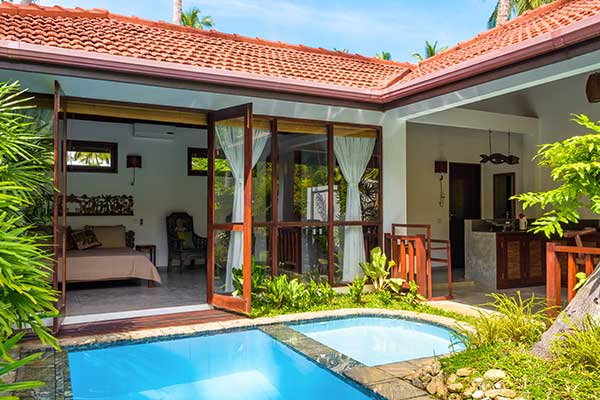
Few architectural elements are as effective at moderating heat as the verandah. Traditional homes often featured deep verandahs running along the façade, sometimes wrapping around the entire house. Their role is simple but crucial: they shade the walls and windows. Direct sunlight hitting a wall can dramatically increase its temperature but when a verandah blocks that sunlight, the wall absorbs far less heat, keeping the interior cooler.

High Ceilings to Manage Heat
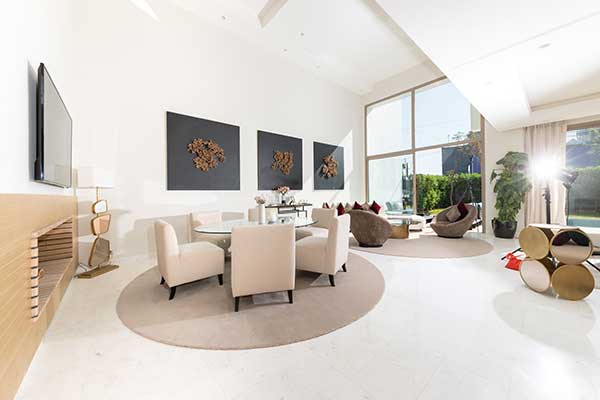
Older homes often had impressively tall ceilings—sometimes reaching twelve or fifteen feet. This was not merely a matter of grandeur; it was a clever way to manage heat. In rooms with low ceilings, warm air remains close to occupants. In rooms with high ceilings, however, the warm air gathers above the living zone, leaving the lower part of the room noticeably cooler.
Many contemporary summer homes are rediscovering this principle. Tall ceilings paired with ventilators or clerestory windows allow hot air to escape. As the warm air exits, cooler air is drawn in through lower openings, creating a slow, continuous airflow that helps interiors feel fresher even on scorching days.
Jaalis to Filter Sunlight and Heat
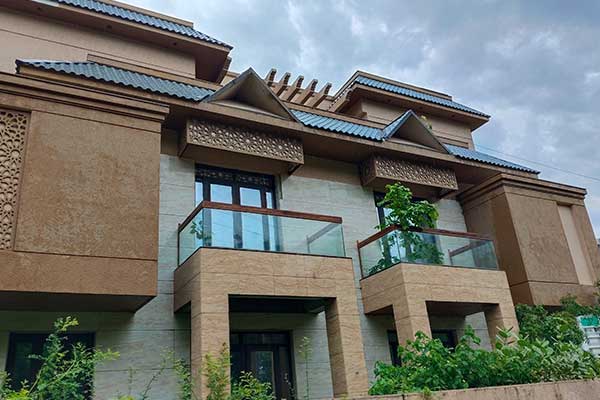
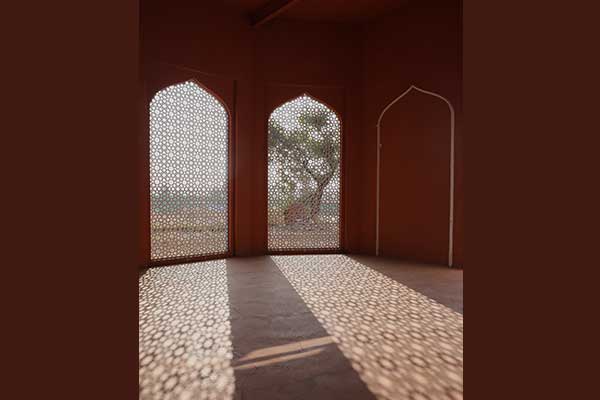
Perforated screens known as jaalis have long been a hallmark of Indian architecture. These delicate lattices—crafted from stone, terracotta, brick or metal—filter light while allowing air to pass through. Their cooling effect comes from two simple actions. First, they block a large portion of direct sunlight, preventing interiors from overheating. Second, their perforations allow breezes to flow through freely, maintaining ventilation even when windows remain partially shaded.
Lime Plaster and Local Materials
Materials themselves can make a remarkable difference in how a house handles summer heat. Traditional materials such as lime plaster, mud brick, stone and terracotta respond far better to climate than many modern synthetic finishes. Unlike cement, lime is breathable—it absorbs moisture when humidity rises and releases it when the air becomes dry, thus helping to regulate indoor temperature and humidity.
In coastal homes in Goa and Kerala, lime-washed walls combined with laterite stone create interiors that stay pleasantly cool even in humid summers—often without the need for constant air-conditioning.

Cooling Through Evaporation
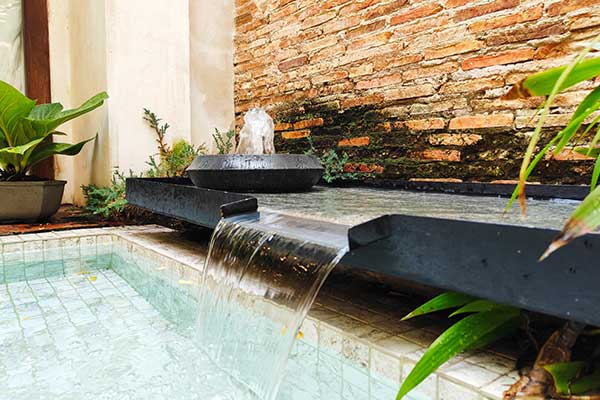
Water has long been used as a cooling element in Indian architecture. Stepwells, tanks and garden fountains were not just decorative—they lowered surrounding temperatures through evaporation. As water evaporates, it absorbs heat from the surrounding air. So, even a small body of water can create a cooler microclimate nearby.
Modern homes are incorporating this principle through shallow reflecting pools, courtyard fountains or shaded water channels. Placed strategically near seating areas or verandahs, these features cool the air while adding the gentle sound of moving water—an almost psychological relief during oppressive summer heat.
Seasonal Living
Perhaps the most subtle strategy for coping with summer lies not in architecture alone but in how you use your home. Seasonal living acknowledges that different parts of the house may feel comfortable at different times of year. During summer, shaded verandahs, courtyards and breezy rooms become preferred gathering spaces. Thick curtains or bamboo screens may be drawn during the afternoon to keep sunlight out while windows are opened at night to allow cool air to enter.
The renewed interest in passive design is not merely nostalgic. As cities grow hotter and energy demands increase, these strategies offer practical and sustainable ways to live with the climate rather than fight against it. Courtyards that breathe, verandahs that shade, jaalis that filter light, lime walls that cool and water that refresh—each element quietly works to soften the intensity of summer.