

Culinary Resolutions for 2026 That Are Here to Stay
As the calendar turns, resolutions are no longer about rigid rules or joyless detox menus and performative clean eating.
If the past few years were about cutting things out, 2026 is about putting better things in. Diners want food that nourishes and excites without sacrificing pleasure. As a result, the culinary conversation has shifted from restriction to refinement, with chefs and mixologists leaning into plant-forward plates, functional foods, and adaptogen-infused cocktails.
Here’s how that is happening.
Plant-forward, not plant-restricted
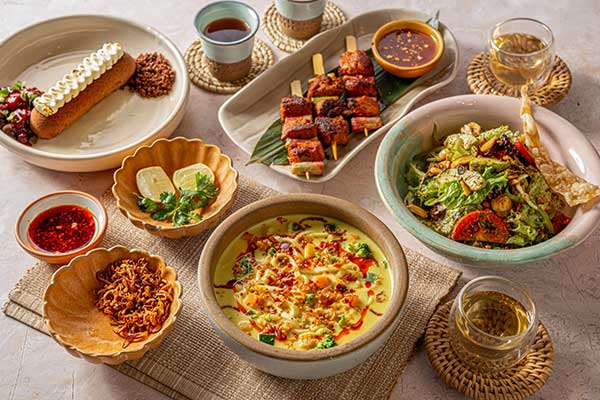
It's safe to say, the plant-forward dining has officially outgrown its “meat substitute” era. Today’s chefs are spotlighting vegetables as protagonists rather than placeholders. By doing so, they are celebrating indigenous produce, forgotten grains, and regional biodiversity.
Now, one can expect tasting menus where jackfruit, lotus root, and millets are treated with the same reverence once reserved for prime cuts. Fermentation, wood-fire cooking, and umami-rich techniques are lending depth and drama to plant-led plates.
The resolution here is not to go vegetarian but to eat plants with purpose. Seasonal, locally sourced, and creatively cooked vegetables are becoming a marker of culinary sophistication.
Functional foods go fine dining
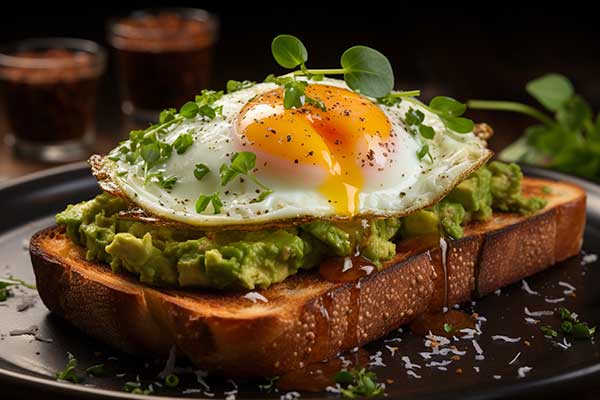
What was once the domain of wellness cafés is now elegantly plated in fine-dining spaces. Functional food are being seamlessly included in menus without shouting about it.
Turmeric, ginger, and moringa are being thoughtfully folded into broths and sauces, while probiotic ferments such as kombucha reductions and house-made miso add complexity, and omega-rich seeds, ancient grains, and medicinal mushrooms are used to build texture and depth on the plate.
The shift is subtle but significant. Diners are increasingly drawn to meals that taste good and also make them feel good.
Adaptogen cocktails
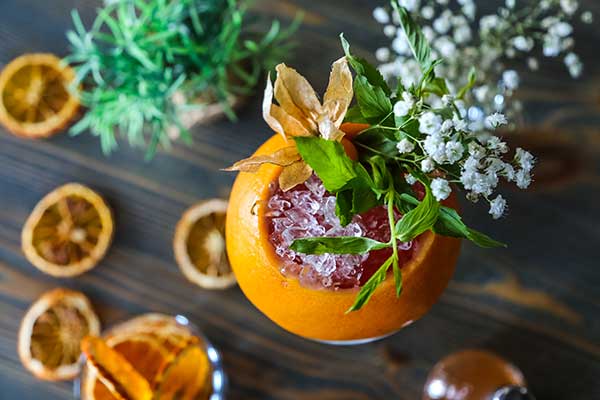
The conversation around conscious drinking does not have to end in January. Adaptogen-infused cocktails (low-alcohol or zero-proof drinks crafted with stress-supporting botanicals) are reshaping bar menus with a more mindful approach.
Bartenders are blending ingredients like ashwagandha, reishi and holy basil with cold-pressed juices, botanical distillates, and fermented bases, while natural sweeteners and bitters replace heavy syrups. The result is a new kind of cocktail ritual that is designed for a generation that wants the pleasure of a drink without the burnout.
The resolution isn’t to stop drinking, but to drink smarter.
Mindful indulgence over guilt-free eating
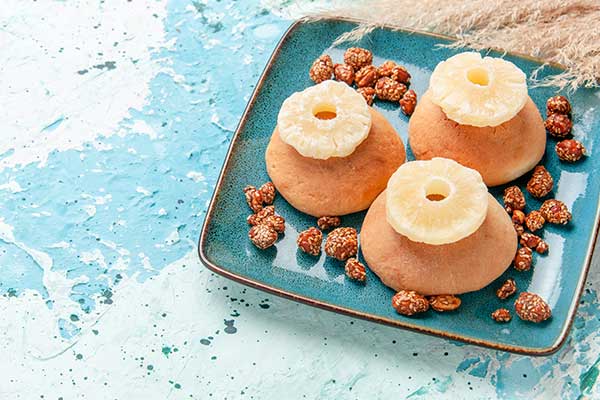
A New Year’s resolution that excludes joy rarely lasts past January. Therefore, the biggest culinary shift this New Year is the rejection of “guilt-free” food culture. Instead, diners are embracing mindful indulgence. This means they are now going for smaller portions, better ingredients, and intentional treats.
Artisanal chocolates, slow-churned gelatos, heritage desserts, and nostalgic flavours are making a comeback and are now reimagined with cleaner techniques and balanced sweetness. The focus is on quality over quantity, pleasure over punishment.
Hyper-local and deeply personal menus
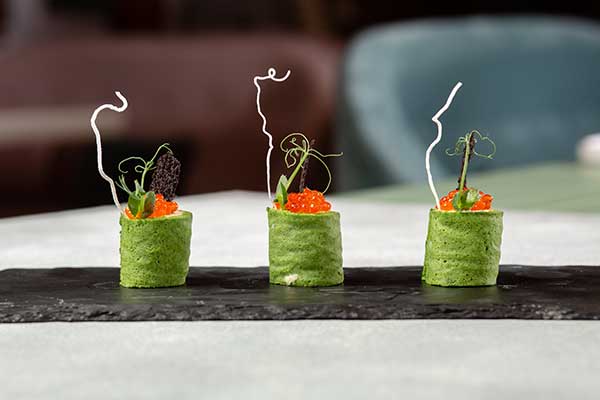
Menus are becoming more intimate. They're rooted in place, memory, and personal narrative. Chefs are drawing from childhood flavours, regional foodways, and family traditions, translating them through a contemporary lens.
This hyper-local approach not only reduces environmental impact but also creates emotional resonance. Dining becomes storytelling, and the resolution becomes simple: know where your food comes from and why it matters.
Sustainability as a standard
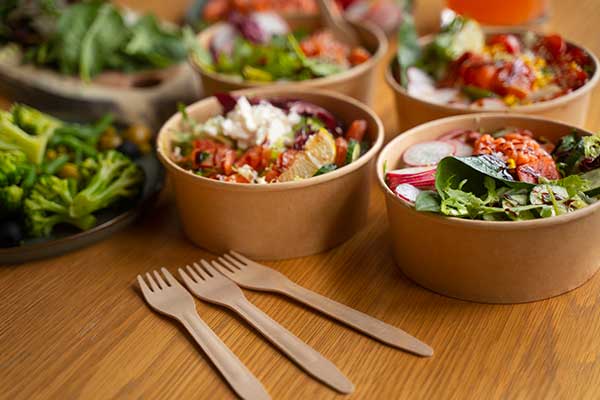
Sustainability has gone beyond being a buzzword. Zero-waste kitchens, nose-to-tail and root-to-stem cooking, biodegradable packaging, and ethical sourcing are increasingly baked into operations.
The new resolution isn’t performative sustainability. It is, in fact, quiet consistency. Diners are paying attention, and brands that integrate responsibility seamlessly into their culinary identity are earning long-term loyalty.