Rooms of the Self
For decades, homes have been defined by grand entrances, formal drawing rooms, home theatres, wine cellars and expansive entertaining spaces. Today, however, a quieter form of luxury is emerging. Increasingly, the most treasured room in the house is not designed for guests at all. It is designed for the owner.
Interior designers have begun referring to these deeply personal spaces as ‘rooms of the self’—places dedicated to reflection, creativity, learning, wellbeing or simply being alone. In an era of endless notifications, video calls and social media feeds, these rooms offer something that has become surprisingly rare: uninterrupted time with oneself. A room devoted to a passion, ritual or lifelong interest can feel more valuable than a formal space used only a few times a year.
book lined retreat
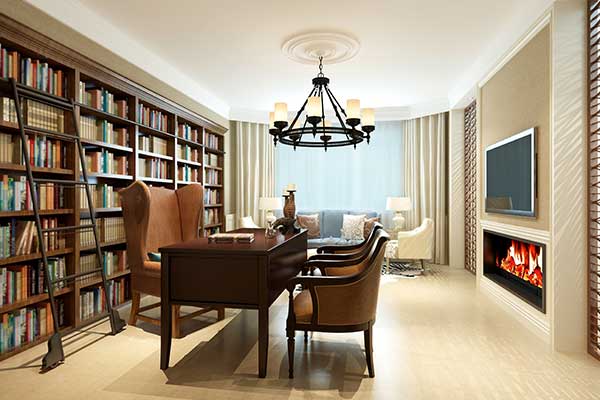
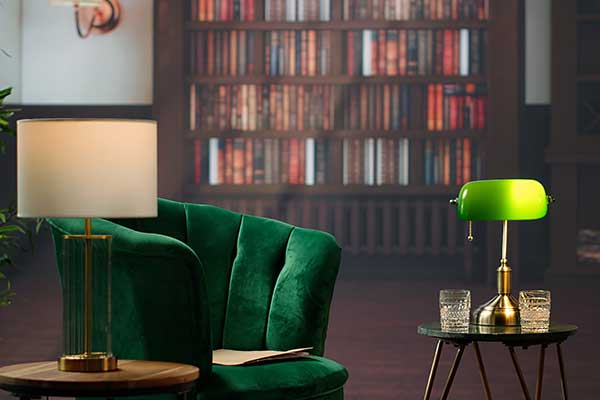
One of the most enduring examples is the private library. Far removed from the grand, intimidating libraries of stately homes, today’s personal libraries are intimate and highly individual. Some homeowners transform an entire room into a book-lined retreat complete with deep armchairs, warm lighting and a writing desk. Others create compact reading sanctuaries tucked beneath staircases or overlooking gardens.
Designer and hotelier homes often provide inspiration. Many feature libraries that blend books with travel mementoes, art objects and family photographs, turning the room into a visual autobiography. The appeal lies not only in reading but also in the atmosphere. Simply being surrounded by books creates a sense of intellectual calm that contrasts sharply with the speed of digital life.
music in room
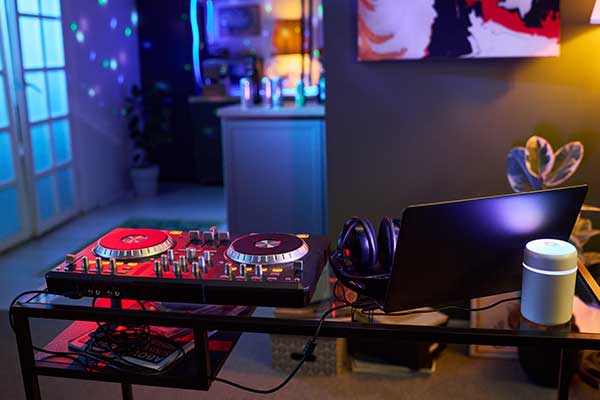
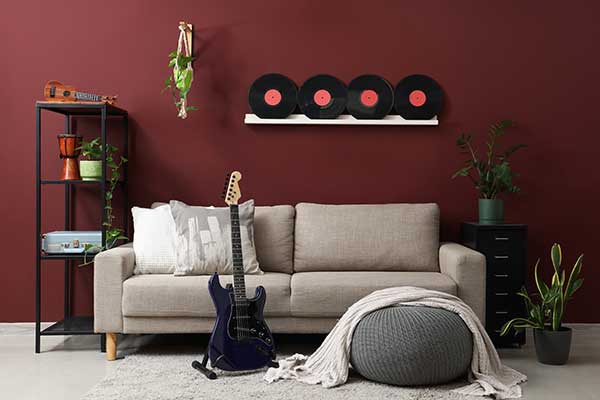
Music rooms are another expression. Once associated with formal pianos and recital spaces, they are being reimagined as immersive listening environments. Audiophiles are investing in carefully designed rooms with acoustic treatments, vinyl collections and high-fidelity sound systems. The purpose is not entertainment in the conventional sense but deep listening.
Some homeowners describe these rooms almost as meditation spaces. A favourite record is selected, the lights are dimmed and distractions disappear. The ritual transforms music from background noise into a fully immersive experience. With carefully chosen furnishings and acoustically balanced interiors, these spaces elevate listening into a form of mindfulness.
me spaces
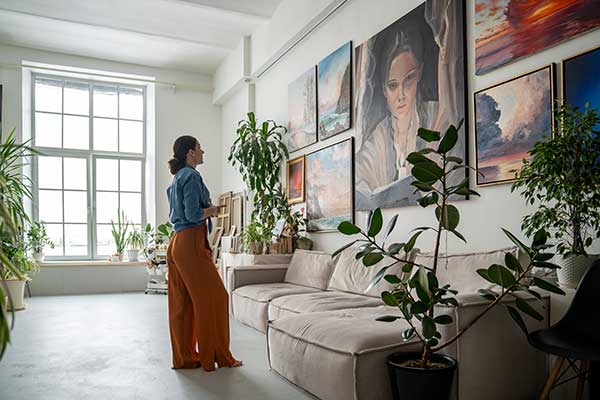
Art rooms are also becoming increasingly popular. These are not galleries intended to impress visitors but personal spaces where owners can live with artworks they love. Some collectors create intimate salons where paintings, sculptures and photographs are displayed in a way that encourages contemplation rather than exhibition.
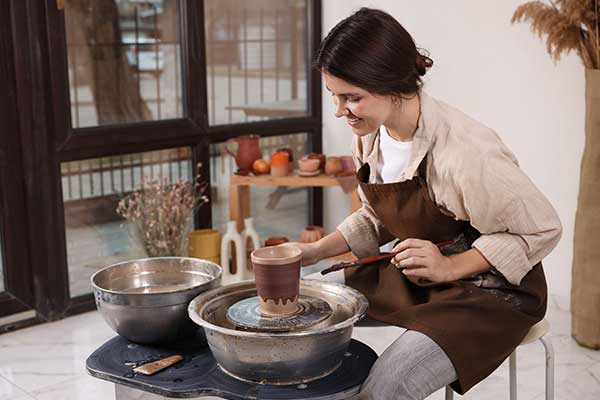
A growing number of homeowners are also commissioning studios for creative pursuits. Whether painting, pottery, photography or writing, these rooms acknowledge that creativity requires both physical space and mental freedom. The luxury lies not in expensive finishes but in having a dedicated place to explore ideas without interruption.
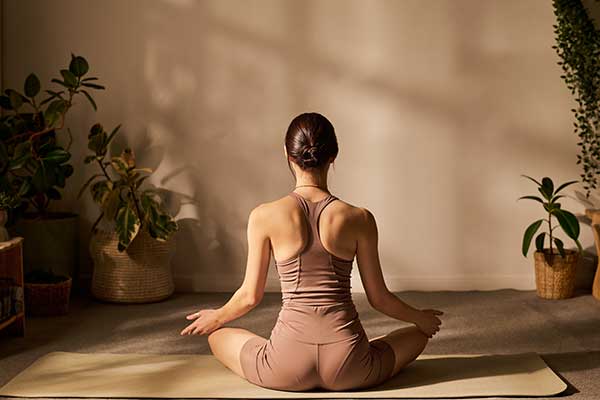
Wellness rooms have perhaps become the most visible manifestation of the movement. Yet the new wellness space is less about gym equipment and more about restoration. Meditation rooms, yoga studios, sound-healing spaces and relaxation lounges are replacing traditional home gyms in many luxury residences.
Some feature natural materials, soft textures, indoor plants and carefully controlled lighting. Others incorporate elements inspired by spas, such as thermal experiences, aromatherapy or quiet zones for breathwork and reflection. The emphasis is on creating environments that help regulate the nervous system and promote calm.
garden rooms
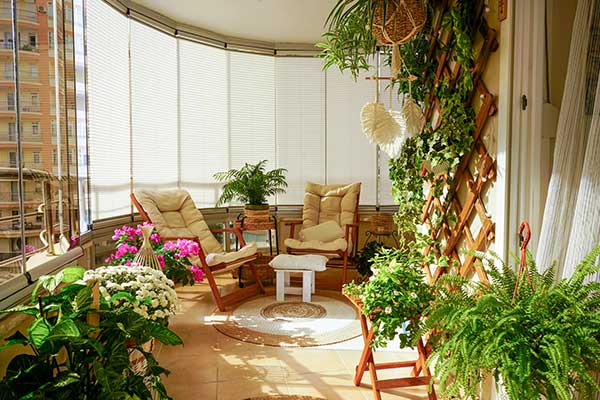
Nature often plays a central role in these sanctuaries. Conservatories, garden rooms and glass pavilions designed for contemplation are increasingly sought after. These spaces blur the boundary between indoors and outdoors, allowing homeowners to reconnect with changing seasons, natural light and greenery.
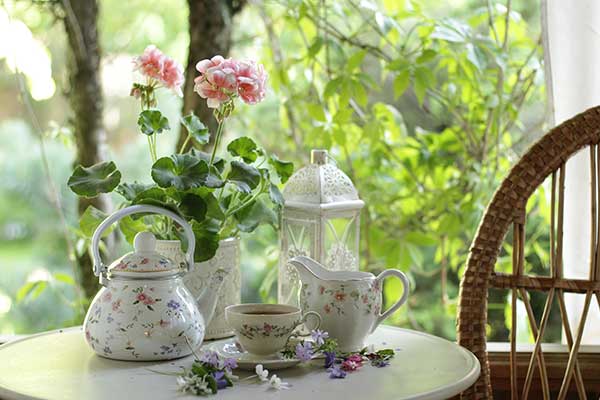
One particularly charming example is the modern tea room. Inspired by traditions ranging from Japanese tea ceremonies to English garden culture, these rooms are designed around slow rituals. A beautifully crafted tea set, comfortable seating and views of a garden become the focal points. The experience encourages presence and mindfulness in a way few digital activities can.
Even dressing rooms are evolving into Rooms of the Self. Rather than functioning solely as wardrobes, they are becoming private retreats where fashion, personal memories and cherished objects are curated with intention. Some include reading corners, art displays or vanity areas designed for quiet moments rather than hurried routines.
paying attention
What unites all these spaces is their intensely personal nature. Unlike traditional luxury rooms, they are difficult to replicate because they are shaped by individual passions. One person's sanctuary may be a room devoted entirely to rare books; another's may be a music studio, a meditation pavilion or a greenhouse filled with orchids.
This shift reflects a larger redefinition of luxury itself. In a world where information, entertainment and communication are available instantly, the rarest commodity is often attention. Rooms of the Self protect that attention. They create environments where people can read, think, listen, create or simply sit quietly.
Perhaps that is why these spaces resonate so strongly today. They are not about what others see. They are about how we feel. And in an age of constant connectivity, that may be the ultimate luxury of all.