Paradise in Slow Motion
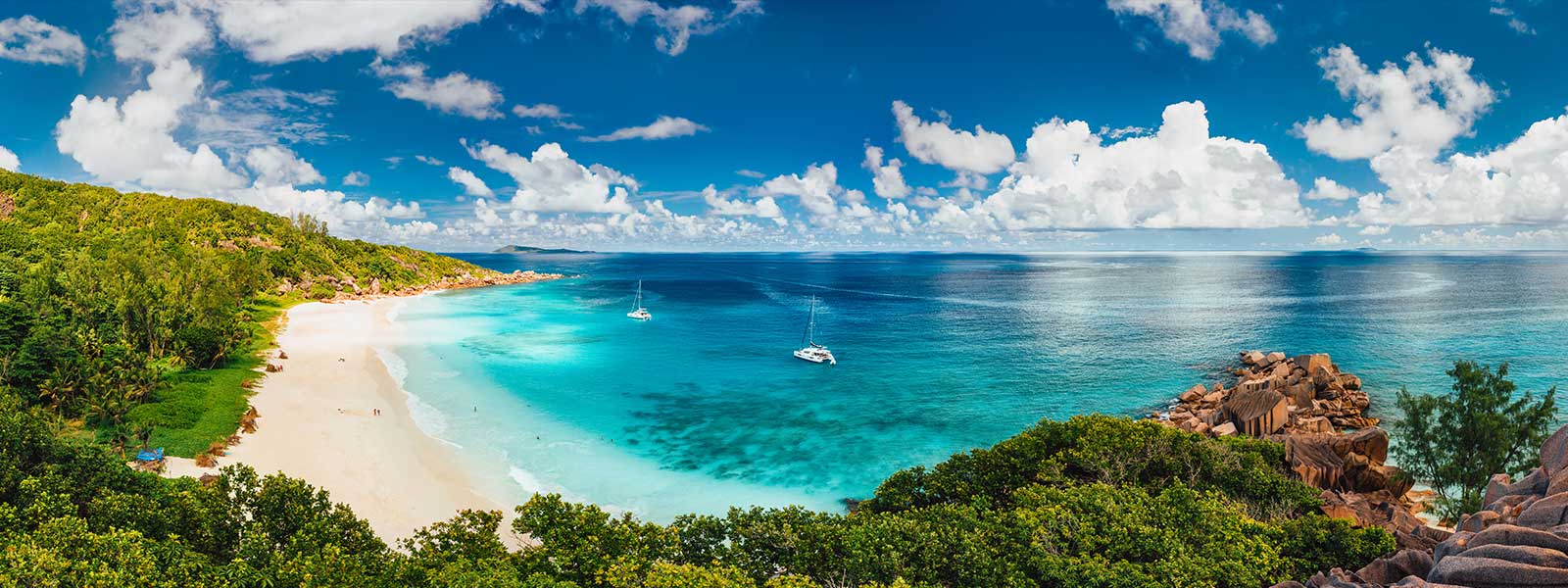
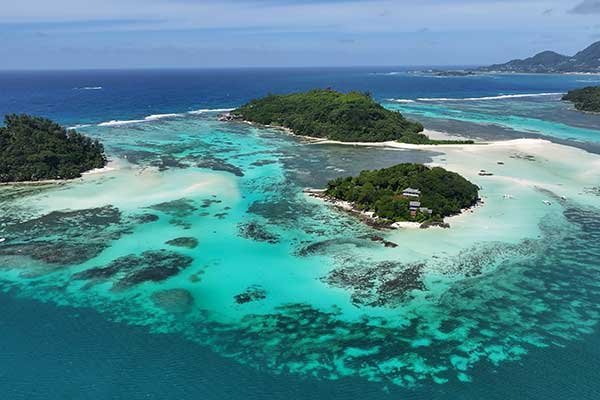
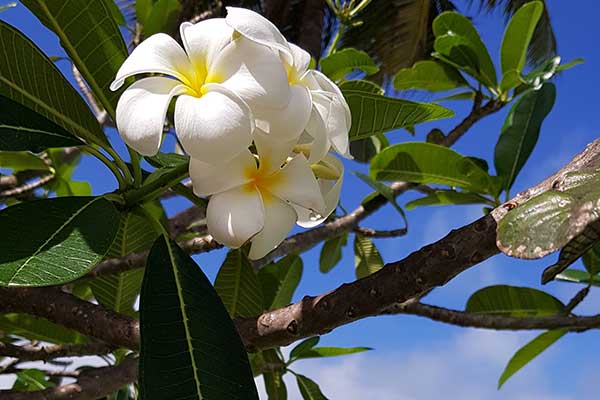
Bonzour! Welcome to paradise. Go ahead, kick off your shoes. Trust me, you won’t be needing them. Seychelles is not a destination that announces itself with spectacle. It arrives gently—first as a scattering of emerald islands across an impossibly blue ocean, then as the scent of salt and frangipani carried on a warm breeze. Long before the aircraft touches down, the archipelago seems suspended between sea and sky, a place less visited than discovered.
When people back home ask you what the Seychelles are like, you’ll probably tell them about the blindingly white sand or the water that looks like someone spilled a bottle of blue Curaçao into the Indian Ocean. And you would not be wrong. But it is not just the picture-postcard views; it is absorbing the rhythm of these islands into your soul.
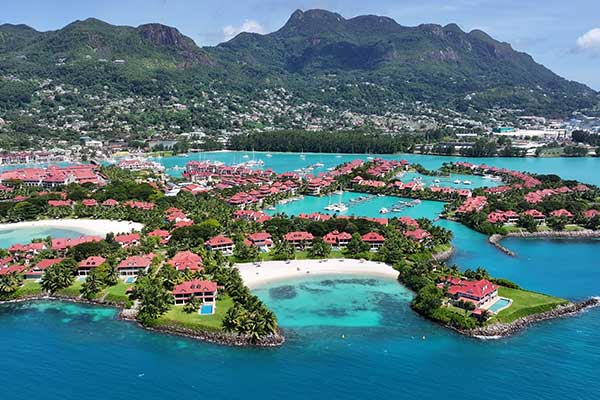
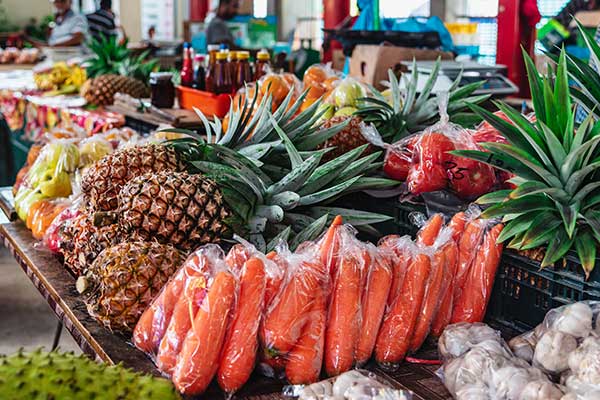
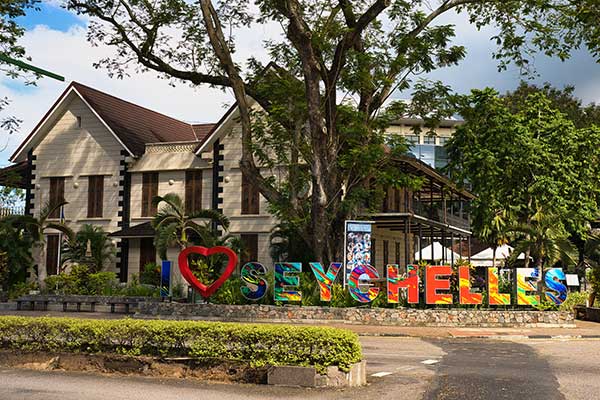
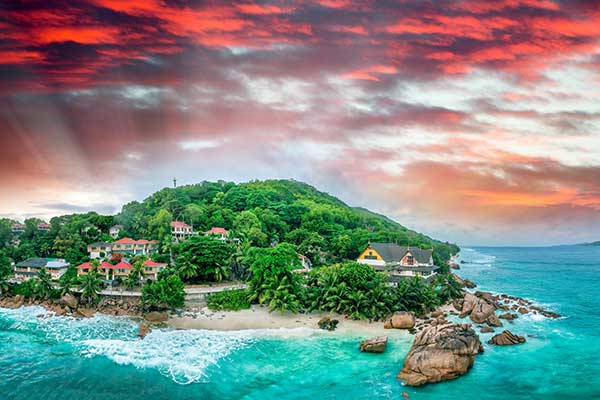
In Mahé, the biggest island, massive, towering peaks covered in thick, velvety green frame most scenes. Home to the capital, Victoria, nestled between these mountains and the Indian Ocean, Mahe hums with colour and character. Markets overflow with cinnamon, vanilla, fresh tuna and tropical fruits, while colonial-era buildings and Creole houses stand beneath hills draped in dense greenery. Beyond the town, winding roads climb through misty forests before descending to secluded coves where the ocean glimmers in endless shades of turquoise.
boulders and the sea
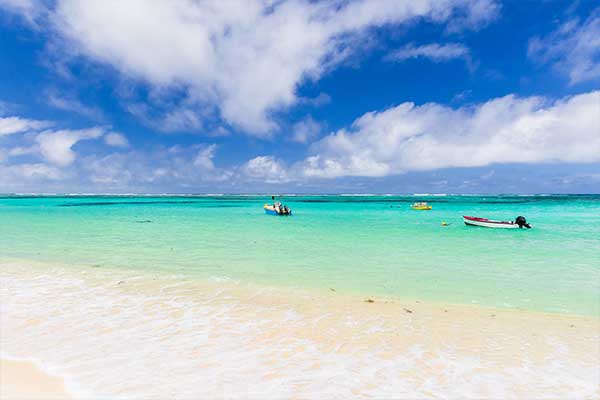
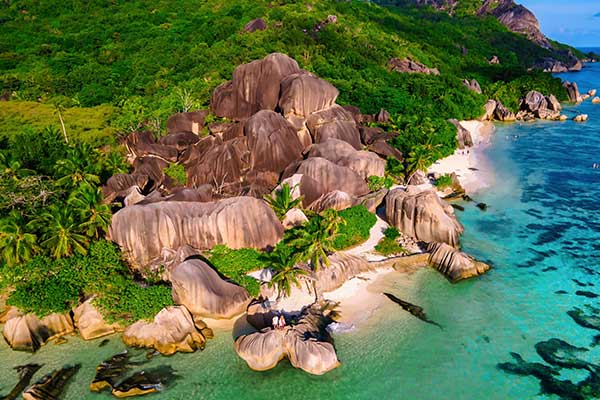
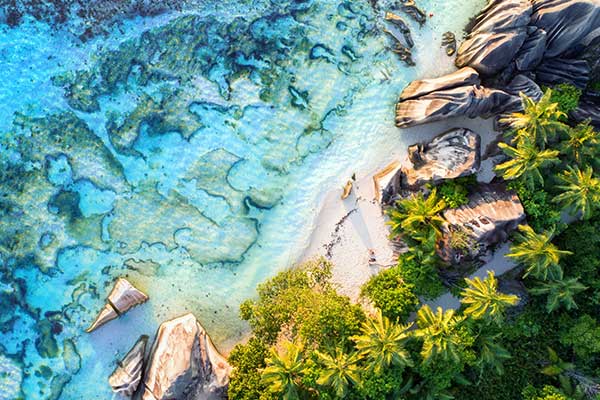
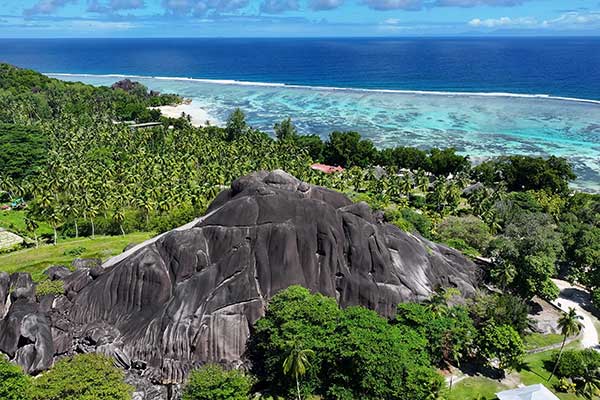
What distinguishes Seychelles from many tropical destinations is its remarkable intimacy with nature. Here, the landscape is the principal storyteller. And, Seychelles is not just flat coral atolls; it is the world’s oldest granitic islands. Those ancient, dark gray boulders you will see spilling onto the beaches are hundreds of millions of years old—sculpted by centuries of wind and waves, standing like silent guardians of the shores. At Anse Intendance, waves roll in from the open ocean with untamed energy, while at Anse Royale, the sea lies calm and translucent, revealing coral gardens beneath the surface. Every turn seems composed by an artist who understands balance: mountain and sea, shadow and sunlight, wilderness and serenity.
the green heart
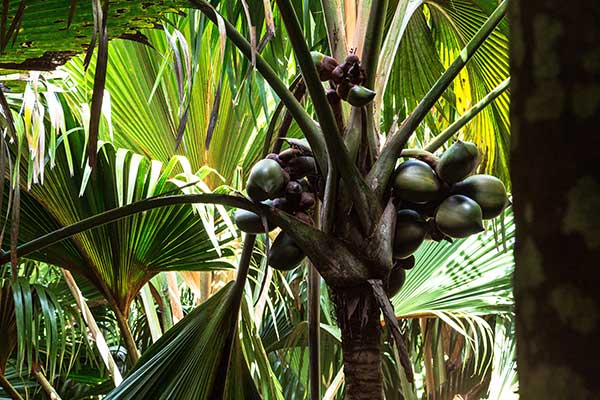
Catching the catamaran over to Praslin, often regarded as the archipelago's green heart, you find the rhythm a bit slower, a bit gentler, holding a secret that feels straight out of Jurassic Park. Walk through the legendary Vallée de Mai, a UNESCO World Heritage site that some people swear is the original Garden of Eden, feels less like a hike and more like a passage through geological time.
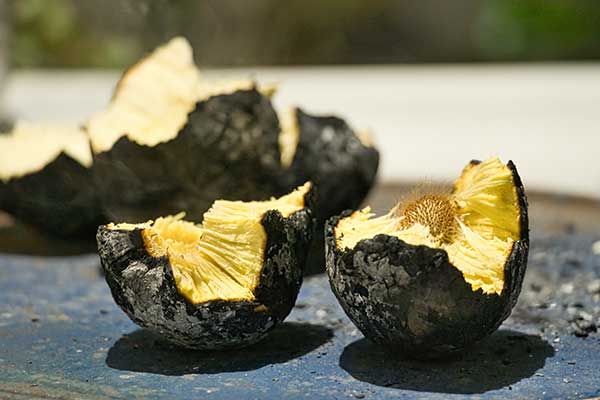
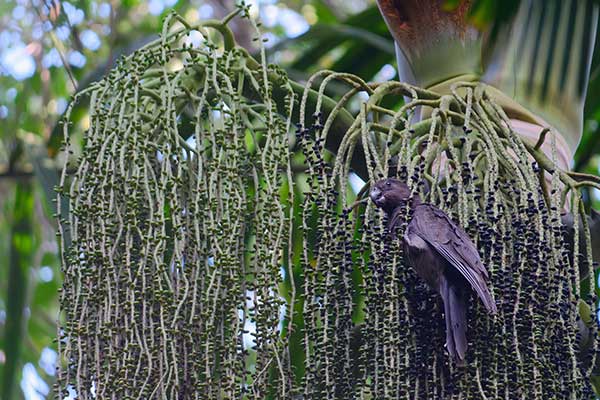
Then, you will see the star of the show: the Coco de Mer. It’s the largest seed in the world, and it only grows natively here and on a neighbouring islet. It’s famous for its…let’s say, suggestive anatomical shape. The male tree produces a long catkin, while the female tree bears a massive, double-lobed nut that looks exactly like a woman's pelvis. The old legends say that on stormy nights, the male and female trees walk through the forest to embrace. Of course, anyone who witnesses it is said to vanish or go blind! As you walk beneath the massive canopy of these prehistoric palms, the light turns a strange, emerald green. Listen closely—that high-pitched whistle is the rare Seychelles Black Parrot.
beach life
After the forest, you want the beach. Everyone does. So, you go to Anse Lazio. It is regularly voted one of the best beaches in the world, but pictures don’t do it justice. The water is so clear that you don’t even need a snorkel mask to see the darting zebra fish swimming around your ankles.
Taking a short, fifteen-minute boat ride over to La Digue is of course always the absolute favourite. Here Seychelles reveals its most iconic face; time does not just slow down; it packs its bags and goes on vacation. Bicycles outnumber cars, and pathways meander through coconut groves and vanilla plantations. The celebrated beach of Anse Source d'Argent appears almost dreamlike, its sculpted granite formations framing shallow lagoons of crystalline water.
tortoise and sunset
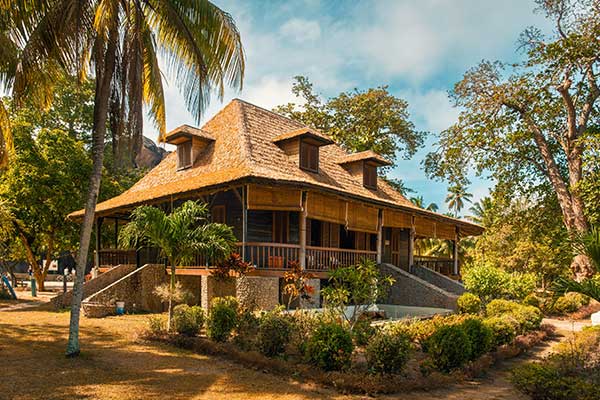
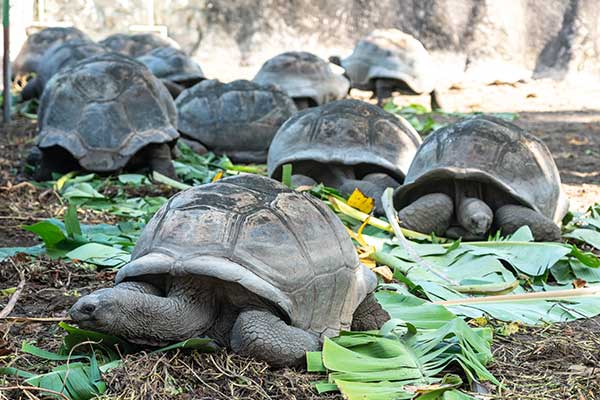
At L’Union Estate keep an eye out for resident celebrities—the Aldabra giant tortoises. Some of these gentle giants are over a hundred years old. If you pick some fresh leaves from the ground and feed them, they’ll extend their long, wrinkled necks and look at you with eyes that have seen a century of island history.
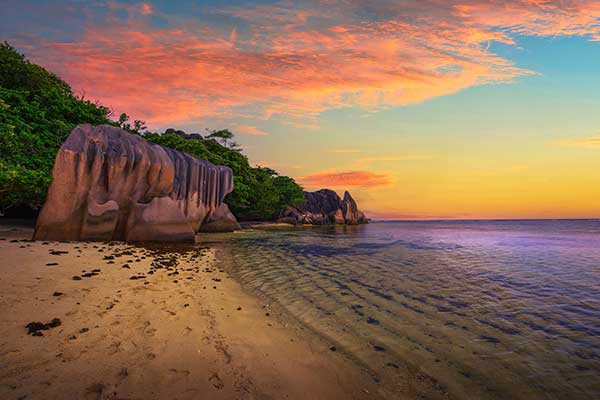
And just beyond the estate lies Anse Source d’Argent. You’ve seen it in movies, car commercials, and high-fashion magazines. It’s a labyrinth of towering, weather-sculpted granite boulders framing shallow, turquoise lagoons. As the sun moves across the sky, the rocks change colour—from silver-grey to warm gold—creating an ever-evolving landscape that photographers chase but rarely fully capture. Siting on the sand, watching the tide roll out, you realise that you’ve officially caught the "Seychelles sickness"—the absolute inability to imagine ever going back to work.
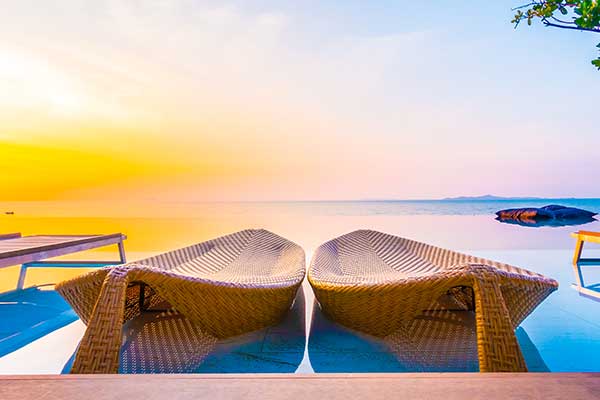
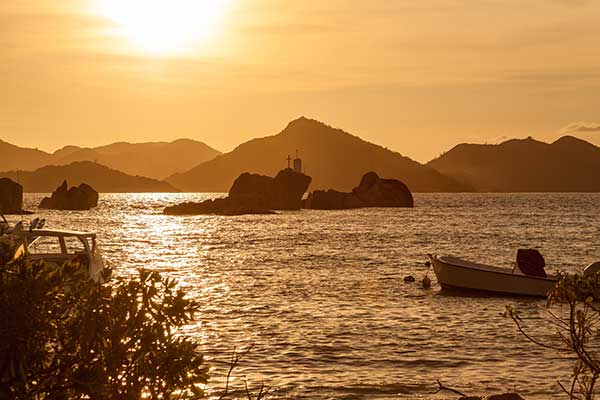
The sea, however, remains the archipelago's greatest treasure. Beneath the surface lies an equally enchanting world of coral reefs, sea turtles and tropical fish. Snorkelling in the clear waters around the islands reveals gardens of living coral alive with movement and colour. Sailboats drift between islands, tracing routes once followed by traders and explorers. At sunset, the ocean becomes a vast mirror reflecting streaks of amber, crimson and violet, while distant islands dissolve into silhouettes against the horizon.
slowly does it
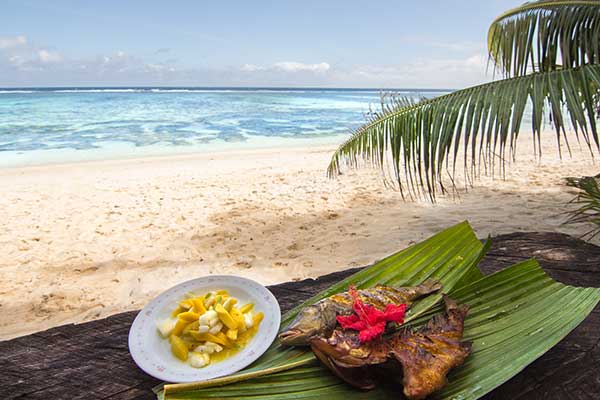
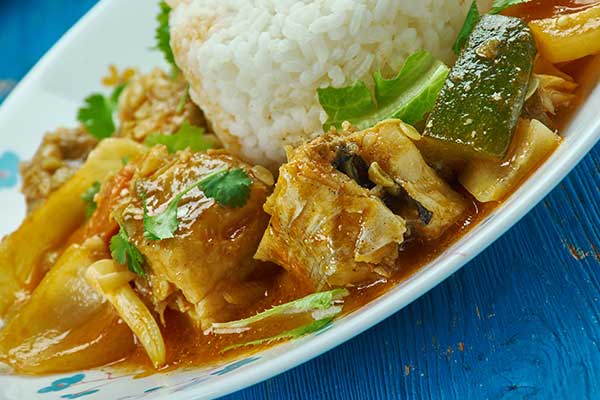
Take a deep breath and you smell the true essence of Seychellois life—a mix of salty ocean breeze, sweet frangipani, and, if you look closely over toward that roadside shack, the rich aroma of Carari (Seychellois curry). Its Creole culture is a beautiful stew of French, African, Indian, and British influences. There is also the grilled red snapper slathered in garlic, ginger, and chilli, wrapped in a banana leaf and sold by local vendors.
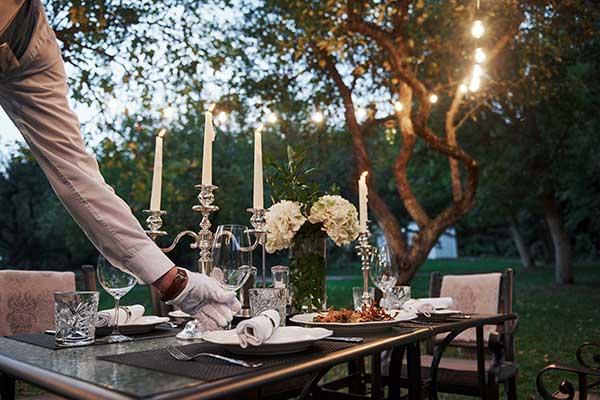
As evening settles over the islands, the pace slows further. The horizon softens, stars emerge with remarkable clarity, and the sound of waves becomes the day's final conversation. In a world increasingly defined by haste, Seychelles offers something rarer than luxury: a sense of stillness. It is a place where nature remains sovereign, where time appears to stretch and linger, and where every island seems to hold its own quiet secret. Back home, your memories are not merely about the beautiful beaches or turquoise waters, but the feeling of having briefly inhabited a landscape where land, sea and sky exist in perfect harmony.