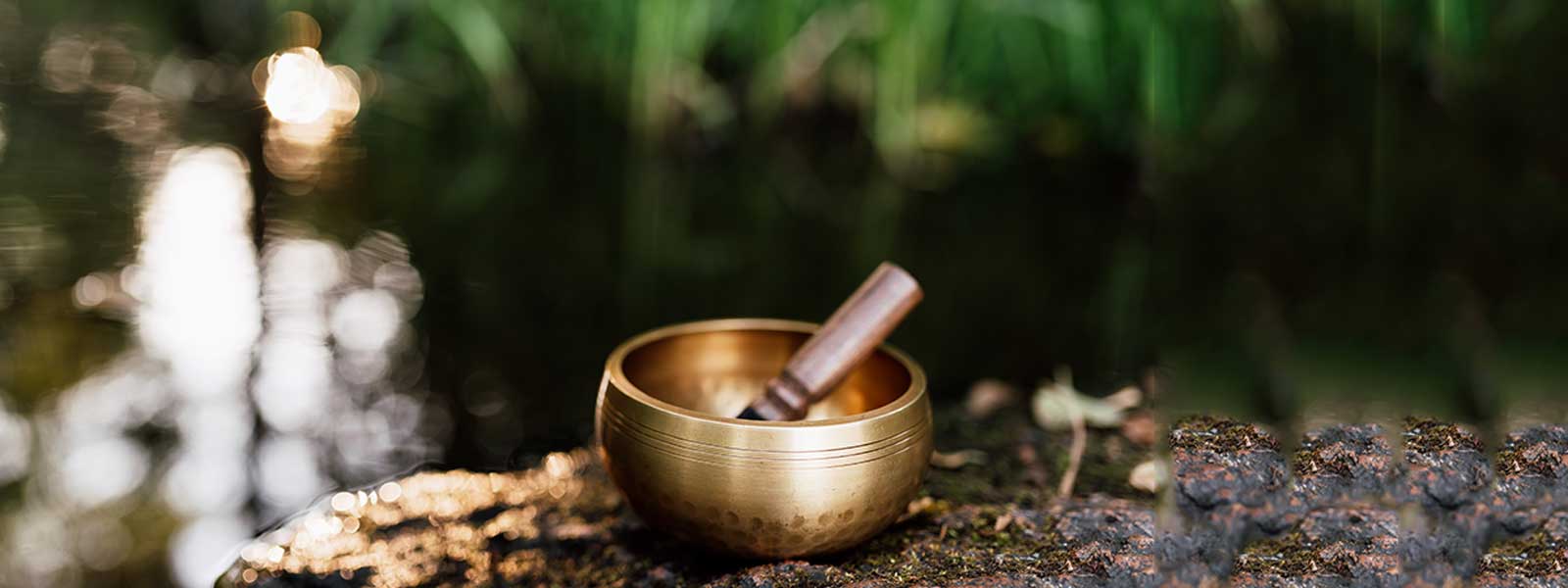
luxury of letting go
There was a time when wellness was measured by numbers. Steps walked. Calories burned. Hours spent in the gym. Resting heart rates tracked by smartwatches. Even meditation became something to optimise. Today, a different philosophy is quietly reshaping the wellness landscape. It is less about doing more and more about being more.
Welcome to the era of slow wellness. Less performance, more presence. Less acceleration, more restoration.
At its heart lies a deceptively simple idea: time itself has become the ultimate luxury.
In a world where every moment is scheduled, the ability to pause has become increasingly rare. Once drawn to boot camps and biohacking retreats, people are now seeking something altogether different—a chance to disconnect, breathe deeply, and rediscover stillness.
natural rhythms
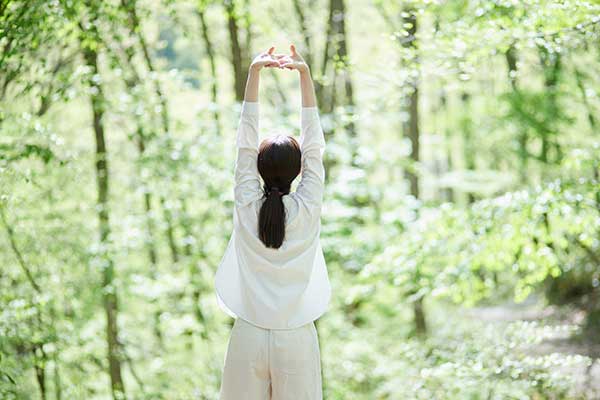
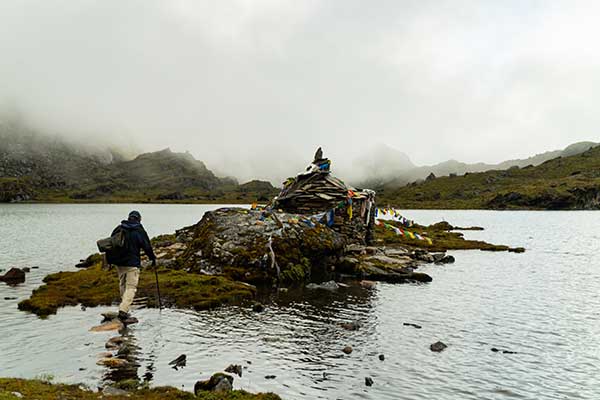
In the mountains of Bhutan, travellers are today spending days immersed in forest meditation, silent hikes, and contemplative rituals rooted in Buddhist traditions. At wellness retreats in Japan, people are embracing shinrin-yoku or forest bathing, wandering slowly through cedar forests without an agenda or destination. The purpose is not exercise but immersion—listening to birdsong, feeling sunlight through leaves, and reconnecting with natural rhythms.
The appeal lies precisely in what these experiences do not offer. There are no productivity metrics. No performance scores. No pressure to improve. Instead, they offer permission to simply be.
restorative sleep
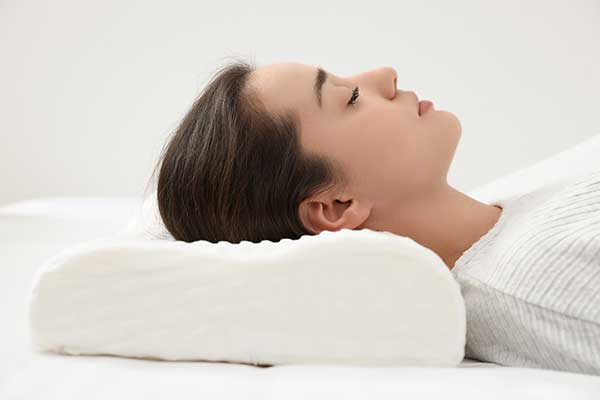
Sleep has become one of the defining pillars of this movement. Once viewed as downtime, sleep is now recognised as one of the most powerful forms of restoration. Luxury retreats have responded with sophisticated sleep programmes featuring circadian lighting, customised bedding, sleep concierges and digital-free bedrooms designed to encourage deeper rest. Six Senses Vana in Dehradun, Ananda in the Himalayas and Amanbagh in Rajasthan, have introduced specialised sleep programmes, where sleep is treated not as a passive necessity but as a curated wellness experience, supported by Ayurveda, meditation, circadian therapies and personalised wellness consultations. For many guests, the greatest indulgence is not a lavish suite but the opportunity to wake naturally after ten uninterrupted hours of sleep.
silent retreats
The fascination with stillness extends beyond sleep. Around the world, people are embracing experiences built around silence. Silent retreats that once attracted only dedicated spiritual seekers are now drawing entrepreneurs, executives and creatives exhausted by constant connectivity. The idea initially sounds intimidating. No phones. No conversations. No emails. Yet participants often describe the experience as profoundly liberating. Without the pressure to respond, react or perform, the mind gradually settles. Mental clutter begins to clear. Creativity often returns in unexpected ways.
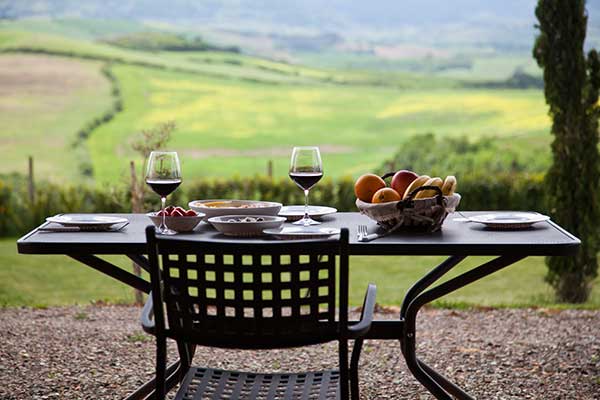
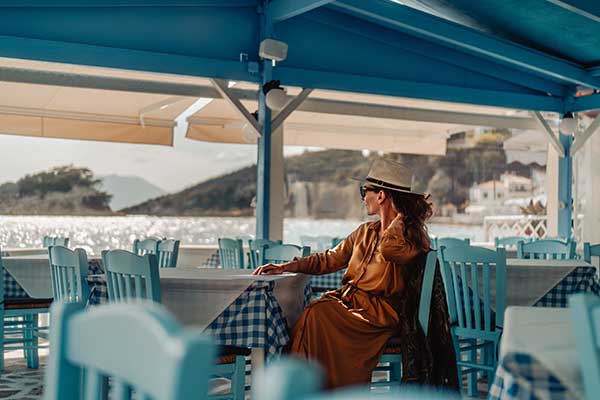
For decades, luxury focused largely on physical comfort. Today, emotional and psychological wellbeing are equally prized. In parts of Italy, afternoons are still reserved for leisurely meals that stretch for hours. In the islands of Greece, you will find yourself adapting to rhythms dictated by sunlight and sea breezes rather than calendars and deadlines. Across rural Scandinavia, cabins without televisions and limited internet access are marketed not as inconveniences but as luxuries.
What was once considered "doing nothing" is now recognised as an essential act of recovery.
the spa way
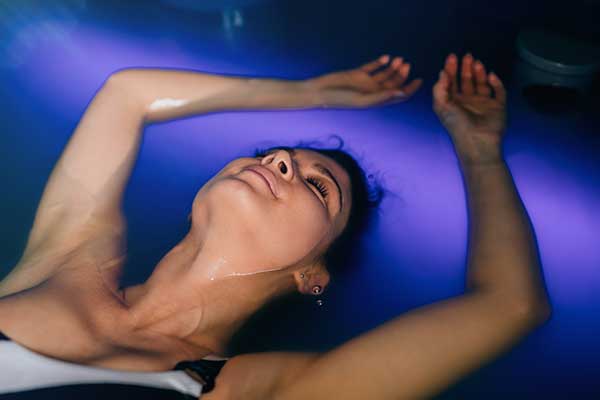
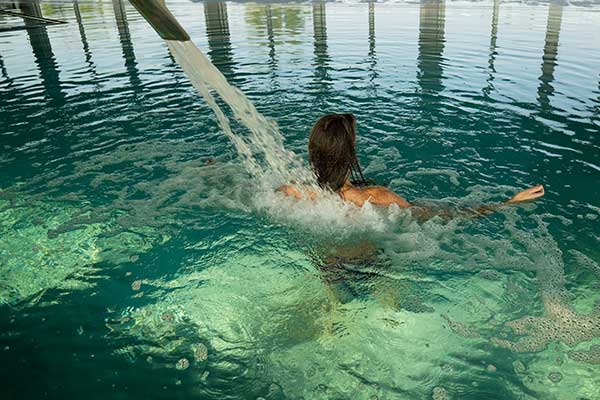
Even the spa world is embracing the philosophy of slow wellness. Where luxury spas once focused on transformation through detoxes, anti-ageing therapies and intensive treatments, the emphasis today is on restoration. Experiences are increasingly designed to calm the nervous system and create deep states of relaxation rather than pursue visible results. Floatation therapy, sound healing, thermal bathing rituals, breathwork and restorative massages invite guests to slow down and reconnect with themselves. The objective is not to fix perceived flaws or optimise performance, but to release stress, improve emotional balance and cultivate a profound sense of wellbeing—an increasingly rare luxury in a fast-paced world.
The language itself has changed. Restoration has replaced optimisation. Perhaps the most interesting aspect of slow wellness is its rejection of the idea that every moment must be productive. For years, success was associated with busyness. The modern wellness movement challenges this assumption. It suggests that genuine wellbeing emerges not from constant activity but from creating space—space to think, reflect, wander, and rest.
Its promise is not transformation in seven days or a dramatically improved version of oneself. Its promise is subtler. A calmer mind. A deeper sleep. A slower heartbeat. A renewed appreciation for simple pleasures. In many ways, slow wellness represents the ultimate evolution of luxury.