Feast worth waiting for
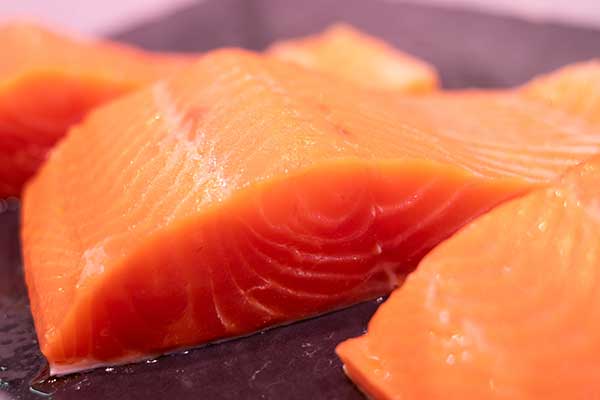
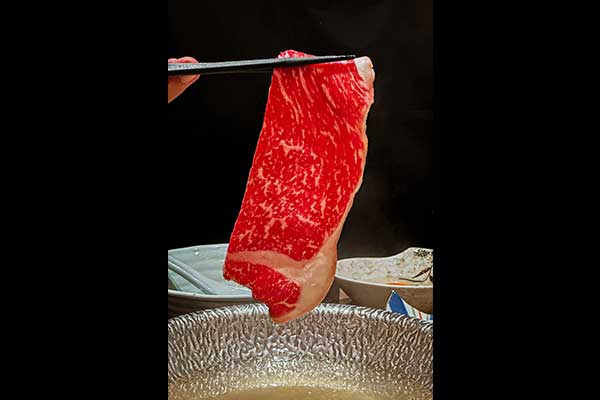
For decades, the language of luxury dining was remarkably predictable. Menus boasted of ingredients flown in from around the world—Japanese wagyu, French truffles, Norwegian salmon, Italian cheeses and exotic berries that travelled thousands of miles before reaching the plate. The farther an ingredient travelled, the more prestigious it seemed. Today, however, a new definition of exclusivity is taking shape.
Luxury in dining is no longer measured in air miles. Instead, it is being found much closer to home—in ingredients that are grown, foraged, aged, and patiently crafted within India itself.
This shift reflects a deeper change in how we think about food. Diners are increasingly interested not just in what they are eating, but where it comes from, who produced it, and how long it took to reach its fullest expression. The result is a growing appreciation for ingredients that carry a sense of place and seasonality.
Perhaps the most influential global example of this movement remains Noma in Copenhagen, where foraging transformed modern gastronomy. But in India, chefs are creating their own distinctive version of the philosophy, drawing upon the country's astonishing biodiversity and culinary heritage.
Native produce
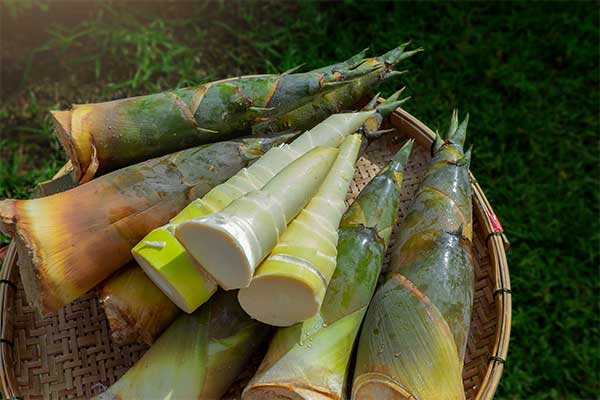
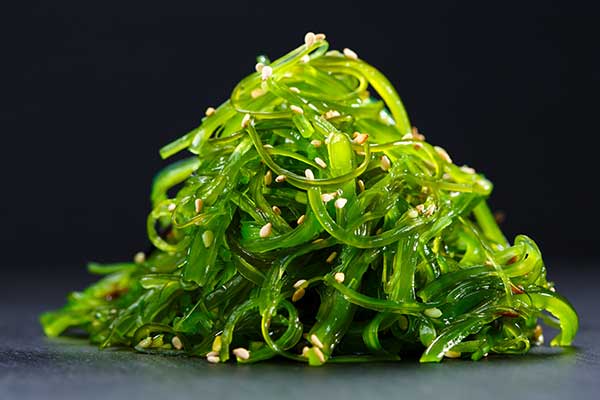
One of the most visible examples can be found at Masque in Mumbai. The restaurant has built its reputation around indigenous ingredients sourced from across India. Diners might encounter bamboo shoots from the Northeast, wild mushrooms from Himalayan forests, seaweed from India's coastline, or rare tribal ingredients that seldom appear in mainstream kitchens. The experience is less about luxury through expense and more about discovery. The exclusivity lies in access to ingredients that are deeply rooted in local ecosystems and available only in limited quantities.
A similar philosophy shapes the work at Avartana, where regional South Indian ingredients are elevated through contemporary techniques. Rather than relying on imported products, the restaurant celebrates native produce, traditional fermentations, and ingredients that have long existed within Indian culinary traditions but are now being viewed through a new lens.
Culinary treasures
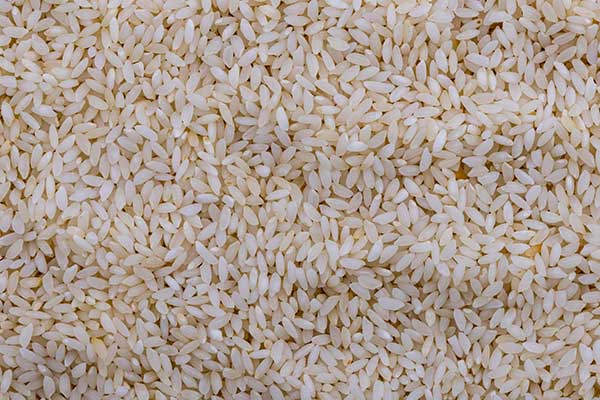
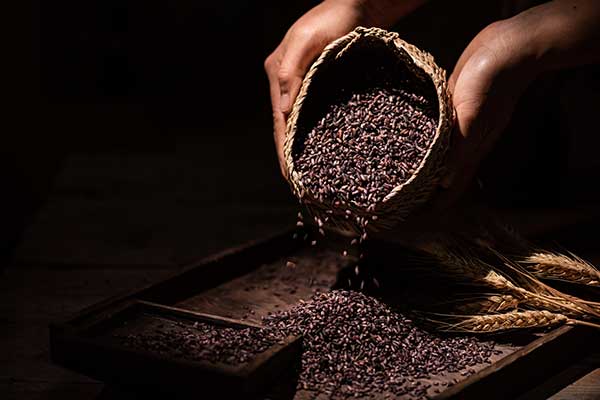
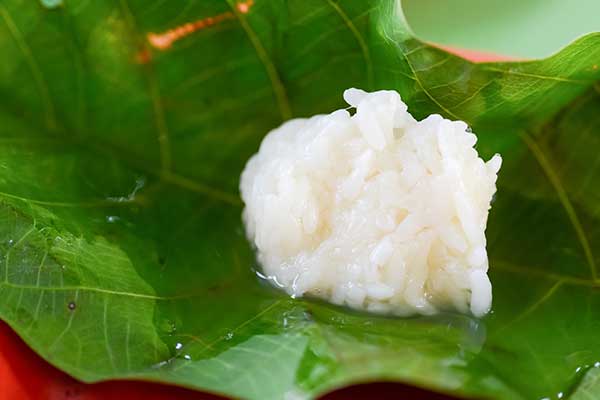
The movement extends beyond restaurants into farms and artisanal food production. Consider the growing interest in indigenous rice varieties. While basmati remains internationally famous, chefs are increasingly turning to heirloom grains such as Chak Hao black rice from Manipur, Gobindobhog from Bengal and Jeerakasala from Kerala. Many of these varieties are cultivated on a small scale and possess flavour profiles impossible to replicate elsewhere. Their value lies not in rarity for rarity's sake but in the generations of agricultural knowledge that have preserved them.
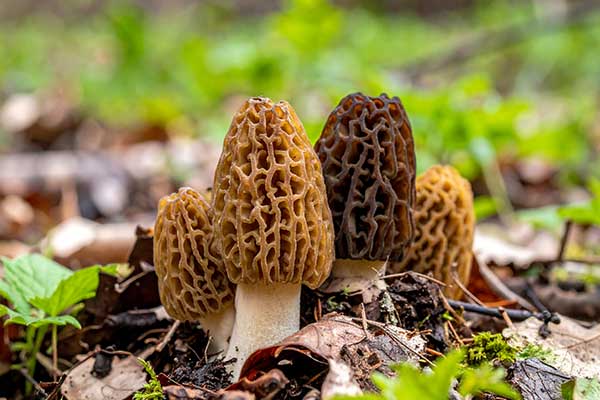
India's forests are also emerging as sources of culinary treasures. Across Uttarakhand, Himachal Pradesh and parts of the Northeast, wild morels—known locally as guchhi mushrooms—appear briefly after seasonal weather conditions align perfectly. Their short harvesting window and labour-intensive collection make them among the country's most prized ingredients. Unlike cultivated mushrooms, they cannot simply be produced on demand. Nature determines their availability.
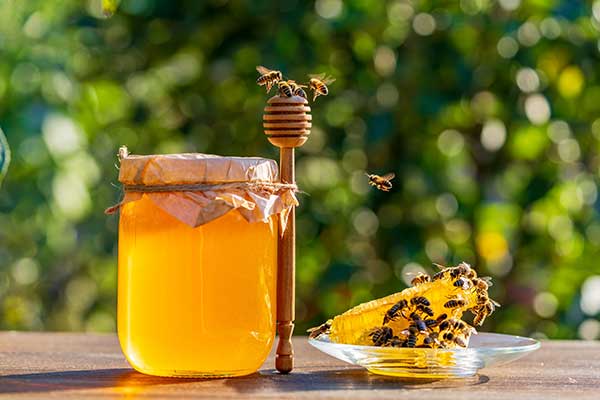
The same is true of wild honey collected by tribal communities. Whether sourced from the Nilgiris, the forests of Maharashtra or the hills of Arunachal Pradesh, these honeys reflect the flowers, trees and landscapes from which they originate. No two harvests are exactly alike. Their appeal comes from a complexity that industrial production cannot reproduce.
Ageold techniques
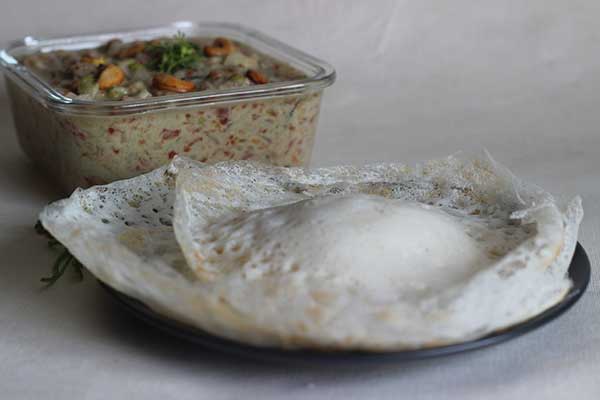
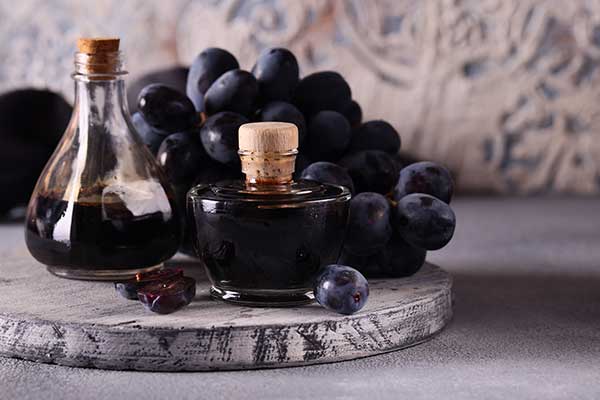
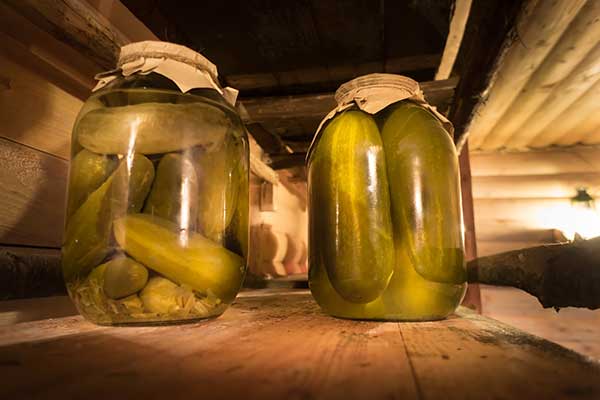
Perhaps the most exciting development is the revival of traditional fermentation and ageing practices. Across the country, chefs and artisans are rediscovering techniques that require patience rather than technology. Naturally fermented bamboo shoots from the Northeast, artisanal vinegars from Goa, aged pickles from Rajasthan and heritage fermented rice preparations from the South are finding new audiences among diners seeking authenticity
Time itself has become an ingredient.
This idea is particularly evident in India's growing artisanal cheese movement. Producers in Uttarakhand, Himachal Pradesh and Tamil Nadu are creating cheeses that are aged carefully over months, developing character that cannot be hurried. Unlike industrial products designed for consistency, these cheeses evolve with season, climate and craftsmanship.
All about the season
Seasonality, too, is becoming a mark of luxury. For generations, Indian cuisine was naturally seasonal. Mangoes belonged to summer. Fresh green chickpeas appeared briefly during winter. Mahua flowers arrived only at a particular time of year. Industrial supply chains weakened these connections, making many foods available year-round.
Now chefs are deliberately restoring them.
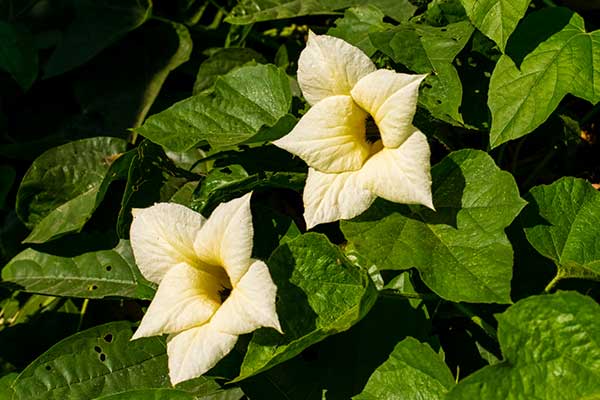
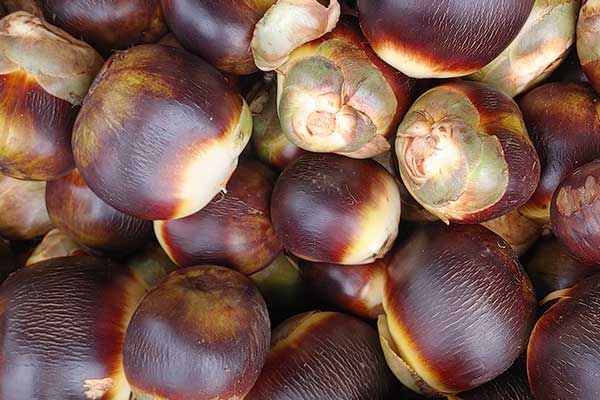
A hyper-seasonal menu creates anticipation. A dish featuring fresh toddy palm fruit, tender jackfruit blossoms or newly harvested Kashmiri morels may be available for only a few weeks. Miss the season and the opportunity disappears until the following year. Such fleeting experiences possess a value that no imported ingredient can match.
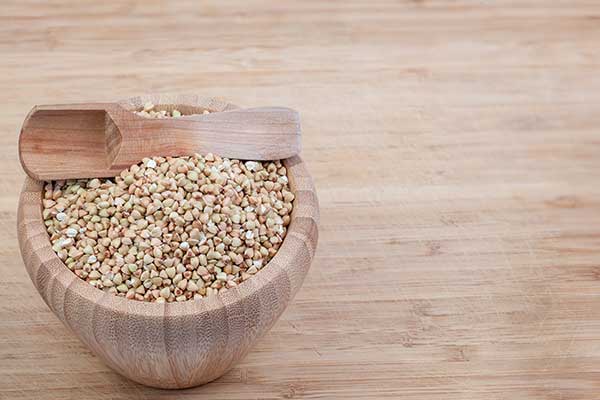
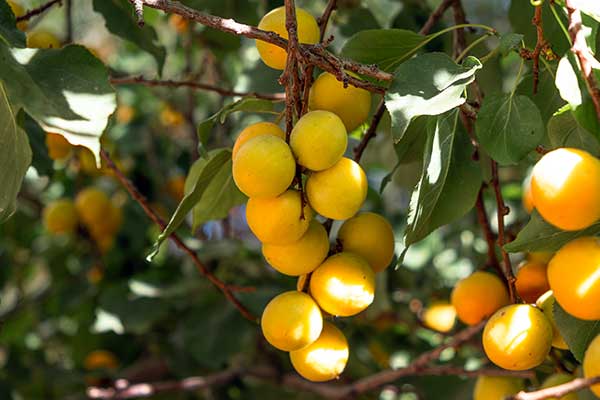
What makes this movement particularly significant is that it celebrates India's extraordinary diversity. Every region offers ingredients shaped by unique climates, landscapes and cultural traditions. From Himalayan buckwheat and Ladakhi apricots to coastal seaweeds and tribal forest produce, the country possesses an abundance of culinary resources that remain relatively unexplored.
The new luxury, therefore, is not about bringing the world to the table. It is about revealing the richness that already exists around us.
Rooted experiences
In an age of global standardisation, diners are increasingly seeking experiences that feel rooted, authentic and impossible to replicate elsewhere. A carefully foraged mushroom from the Himalayas, a heritage grain preserved by farming communities, a wild honey harvested by tribal gatherers or a naturally fermented ingredient perfected over generations carries a story that imported products often cannot.
The future of fine dining may still be exclusive, but its definition is changing. The most coveted ingredients are no longer those that travel the farthest. They are those that grow slowly, emerge briefly, and embody the character of the land from which they come.
That is a luxury no amount of air freight can deliver.